7 Best Factors Affecting Fence Strength and Durability?

Time:2026-09-30 Author:Sophia
0%

A durable fence does more than mark a property line. It resists wind, rain, soil movement, insects, impact, and years of daily exposure. The real question is not only how attractive the fence looks. It is what factors affect fence strength and durability from the ground up?

Dr. Robert H. Falk, a respected wood durability researcher formerly associated with the USDA Forest Products Laboratory, has emphasized, “Moisture is the key driver of wood decay.” That observation matters at every fence site. Water trapped around a buried post can create hidden rot, even when the above-ground boards still look sound. Small details often decide the outcome.

This guide examines seven practical factors: material quality, post size, setting depth, soil conditions, drainage, fasteners, and maintenance. Each factor changes how a fence handles pressure. A deep, well-drained post hole may outperform a thicker post installed in weak, wet soil. Galvanized or stainless fasteners can reduce staining and joint failure. Regular inspections can also catch loose rails, cracked boards, and leaning posts before they become expensive problems.

A perfect fence is not realistic. Poor installation can defeat premium materials. I have seen attractive fences fail because water collected at their base. That lesson deserves attention. Strength comes from the complete system, not one impressive component. The following sections connect field experience with construction principles, helping homeowners, contractors, and property managers make more reliable decisions. Even careful planning has limits, because wind exposure and soil behavior can change across a single property.

7 Best Factors Affecting Fence Strength and Durability?

Fence Material and Its Role in Structural Strength

Fence Material and Its Role in Structural Strength

A fence’s material sets its basic resistance to bending, impact, and weathering. Wood can provide sturdy rails and posts, but species, grade, knots, and moisture all affect performance. The USDA Forest Products Laboratory’s 2021 Wood Handbook presents strength values for wood at a defined 12% moisture content. That matters: a wet post in persistently damp soil may not behave like dry lumber in a test. Real sites are messier.

Steel fencing generally offers high strength in slender sections, though thin or poorly protected components can corrode at cuts and fasteners. Check the steel thickness and coating, not just the panel’s appearance.

Vinyl resists rot, but flexible panels need sound posts and rails to resist wind pressure. Material alone is not the whole structure; connections and ground conditions can undo a good choice.

Tips: Match materials to the site. For wood, keep posts drained and inspect the soil line for soft spots. For steel, check coating damage near joints. For vinyl, look for secure rail connections and close post spacing in exposed areas. The American Wood Council’s 2024 National Design Specification includes wet-service adjustments for wood design values, reinforcing a practical point: moisture exposure deserves attention. I’d still verify local soil and wind conditions before selecting a fence; generic material rankings can miss the weak point.

Post Depth, Spacing, and Foundation Stability

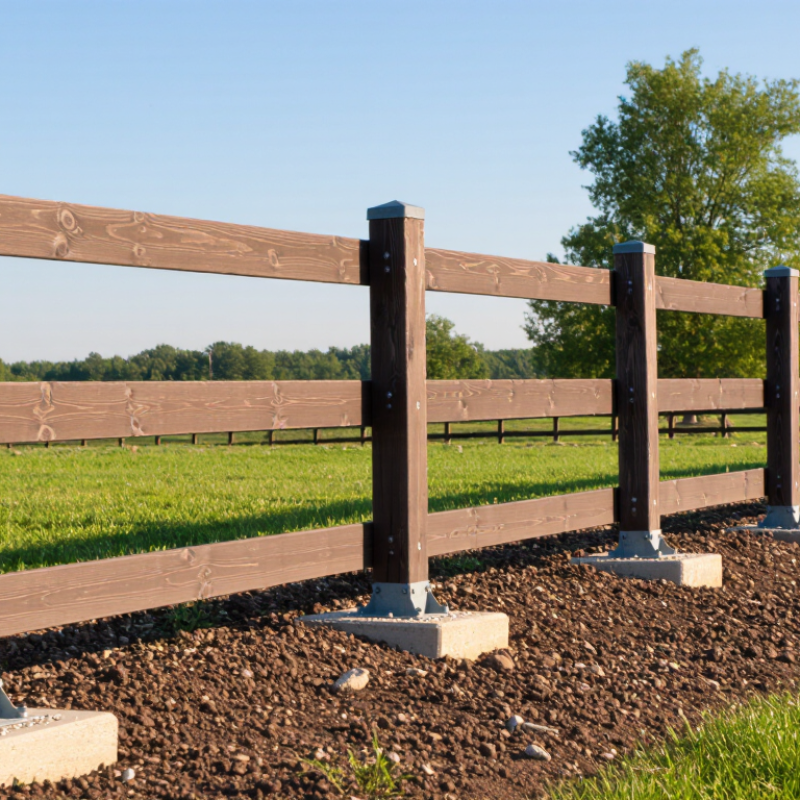
A fence can look solid above ground and still wobble because its posts are too shallow or poorly supported. In many settings, burying about one-third of a post’s total length is a starting point, not a universal rule. Frost depth, soil type, fence height, and wind exposure all change what is appropriate. Check the soil after rain: loose, saturated ground may need deeper posts or a more stable footing. Small details matter.

Spacing affects how much pressure each post carries. For many residential fences, posts are often set roughly six to eight feet apart, but heavy panels or strong winds may call for closer spacing. Keep the layout consistent, and measure between post centers before digging.

A firm foundation needs room for water to drain; gravel beneath or around the post can help limit standing water. Concrete can add stability, though a poorly shaped footing may trap moisture at the post. The common rules are useful, but they can mislead. Recheck the ground conditions and footing design before assuming a fence will stay straight for years.

Design, Connections, and Load Distribution

7 Best Factors Affecting Fence Strength and Durability

A durable fence begins with a clear load path. Wind hits the boards, transfers through rails, enters the posts, and finally reaches the soil. ASCE/SEI 7-22 identifies wind pressure as a primary design load for outdoor structures. Its velocity-based method shows why exposed fences need stronger frames than sheltered ones. A solid six-foot panel can behave like a sail. Spacing boards may reduce pressure, but it also changes privacy and visual balance.

Connections often decide whether the design survives. Use bolts or structural screws where rails meet posts, and avoid relying on short nails alone. Each connection should resist withdrawal, shear, and repeated movement. The USDA Forest Products Laboratory’s Wood Handbook, FPL-GTR-282, reports that wood changes dimension as moisture changes. Fiber saturation is commonly near 30% moisture content. Poorly detailed joints can loosen as boards shrink and swell. Drainage gaps matter.

Load distribution deserves practical attention. Set posts deeply enough for local soil conditions, then compact backfill in controlled layers. Concrete helps, but it cannot correct a shallow or poorly aligned post. Keep heavy gates near stronger posts and add diagonal bracing where hinges create twisting forces. Field inspections often find one weak corner controlling the whole fence. That is easy to miss. Even experienced installers may overestimate concrete and underestimate connection movement. Review the layout after installation, especially before the first storm.

7 Best Factors Affecting Fence Strength and Durability

The scores show a comparative engineering assessment of each factor’s typical influence on fence performance, from 1 (lower) to 5 (higher). They are not universal test measurements: actual results depend on fence design, materials, soil, climate, and installation.

Protection Against Weather, Moisture, and Corrosion

Weather damage often starts where water collects: around post bases, rail joints, and unsealed end grain. Repeated wetting and drying can split wood, loosen fasteners, and open paths for further moisture. The USDA Forest Products Laboratory’s Wood Handbook explains that wood-decay fungi need sustained moisture to grow. A moisture reading near or above 20% is a practical warning to investigate, though a surface reading may miss a wet post core. A fence can look sound and still be weakening at ground level.

Metal components face a different threat. Salt spray, acidic pollutants, and standing water can accelerate corrosion, especially where coatings are scratched or dissimilar metals touch. The 2016 IMPACT study by NACE International estimated corrosion costs at $2.5 trillion worldwide, or about 3.4% of global GDP. That figure covers many industries, but it shows why small maintenance steps matter. Use compatible fasteners, protect cut metal edges, and keep soil and mulch from trapping moisture against posts. Even a good coating gets nicked.

Tips: After heavy rain, check post bases and rail connections for pooling water, soft wood, rust stains, or loose screws. Clear nearby leaves and trim plants that keep the fence damp. Recheck vulnerable spots seasonally; one inspection will not catch every hidden problem.

Installation Quality, Maintenance, and Service Life

Fence durability begins underground. A post set in loose, waterlogged soil may lean after freeze-thaw cycles, even when its rails look sound. Match post depth and footing to local soil and frost conditions, then compact backfill in layers. Keep wooden post ends out of standing water. Small details matter.

Installation is not a one-day guarantee. The USDA Forest Products Laboratory’s Wood Handbook notes that wood kept above roughly 20% moisture content is more vulnerable to fungal decay. Good drainage, airflow, and prompt repairs help limit prolonged dampness. Check for loose fasteners, leaning posts, peeling protective finishes, and soil piled against boards at least once a year. Trim plants that trap moisture along the fence line. A small oversight can undo careful work. The National Association of Home Builders’ 2007 life-expectancy study gives wood fencing an approximate 20-year service life; this is an estimate, not a promise. Soil, weather, installation, and upkeep can shift that figure considerably. A crooked post may seem minor, but it deserves a closer look.

FAQS

How does wind affect fence strength?

Wind pushes against boards and transfers force through rails, posts, and soil. A solid six-foot panel can act like a sail. Exposed locations need stronger framing.

Can spacing the boards make a fence safer in wind?

Gaps can reduce wind pressure, but they also change privacy and appearance. Consider both effects before choosing a layout.

Which connections help rails stay attached to posts?

Bolts or structural screws generally provide stronger connections than short nails alone. Joints should resist pulling out, sideways force, and repeated movement.

Why can wooden fence joints loosen over time?

Wood expands and shrinks as its moisture changes. Drainage gaps and well-detailed joints can help, but movement still deserves inspection.

How deep should fence posts be set?

Depth and footing should suit local soil and frost conditions. Compact backfill in layers. Concrete cannot fix a shallow or crooked post.

Where should heavy gates and diagonal braces go?

Place heavy gates near stronger posts. Add diagonal bracing where hinges create twisting forces. A weak corner can limit the whole fence.

What should I check during yearly fence maintenance?

Look for loose fasteners, leaning posts, peeling finishes, and soil piled against boards. Trim plants that hold dampness along the fence line.

How can moisture shorten a wooden fence’s life?

Wood kept above roughly 20% moisture content is more vulnerable to fungal decay. Keep post ends away from standing water and encourage airflow. Small oversights matter.

How long might a wood fence last?

One estimate is about 20 years, but it is not a promise. Soil, weather, installation, and upkeep can change the service life considerably.

Conclusion

Understanding what factors affect fence strength and durability is essential when planning a reliable, long-lasting boundary. The choice of fence material directly influences resistance to impact, bending, moisture, insects, and corrosion. Post depth, spacing, and foundation stability are equally important because properly anchored posts help the fence withstand wind, ground movement, and everyday pressure. A thoughtful design also improves performance by distributing loads evenly and using secure, well-fitted connections between posts, rails, and panels.

Weather protection plays a major role in service life. Drainage, moisture-resistant treatments, protective coatings, and corrosion control can reduce damage caused by rain, humidity, sunlight, and temperature changes. Finally, installation quality and regular maintenance determine how well a fence performs over time. Accurate alignment, strong fasteners, proper tension, timely repairs, and routine inspections can prevent small problems from becoming major structural failures. Together, these factors create a fence that remains stable, functional, and attractive for many years.

Sophia

Sophia

Sophia is a dedicated marketing professional with an exceptional depth of knowledge about her company's products and services. With a keen understanding of market trends and customer needs, she crafts insightful blog posts that not only inform but also engage readers, enriching the company’s online......