Metal mesh products support filtration, screening, guarding, ventilation, and architectural design across demanding environments. Their performance depends on more than material selection. Dust, moisture, chemicals, vibration, and careless handling can gradually weaken even well-made mesh.
This guide explains how to maintain metal mesh products through practical, repeatable routines. It covers stainless steel screens, woven wire panels, expanded metal, perforated sheets, and protective mesh guards. A soft brush, clean water, mild detergent, and a dry cloth often provide a strong starting point. Avoid aggressive scraping. Small scratches can become corrosion points.
Regular inspections should check loose wires, blocked openings, bent edges, rust stains, damaged welds, and unstable fasteners. Record findings with dates and photographs. This simple habit helps maintenance teams identify changes before failures become expensive. Always follow the supplier’s material recommendations and the safety procedures used at your facility. Different alloys react differently to cleaners, salts, acids, and high temperatures.
Some maintenance advice sounds universal, but it is not. A cleaner that suits stainless steel may damage a coated surface. High-pressure washing may remove debris while forcing water into hidden joints. That detail is easy to miss. Test unfamiliar products on a small area first, and consult qualified technical personnel when damage, contamination, or structural movement appears. Reliable care requires observation, not assumptions. A maintenance plan may need revision after one season, one production change, or one unexpected failure.
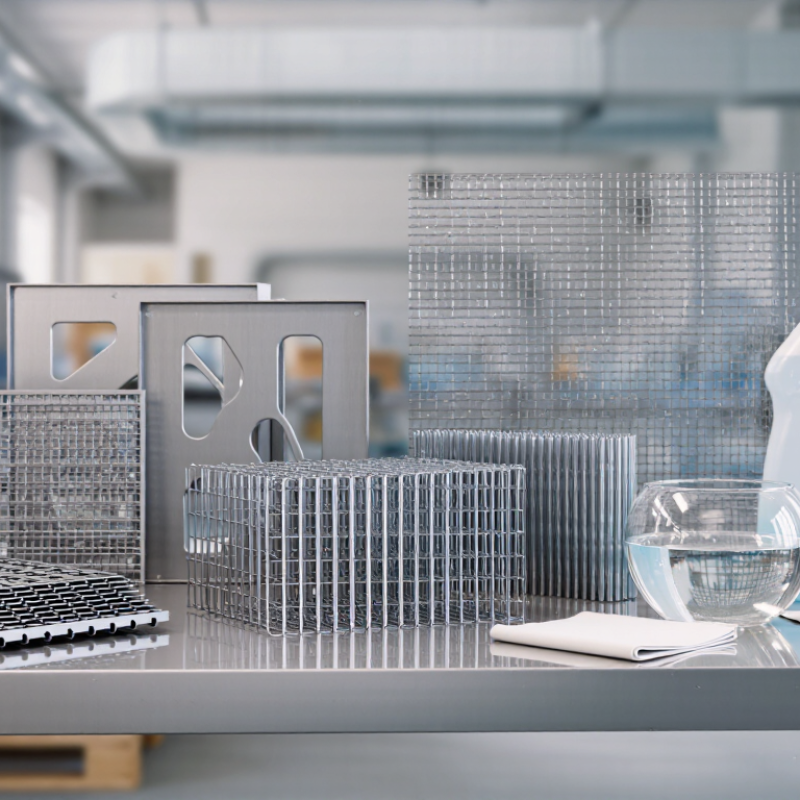
Metal mesh maintenance begins with the material, not the cleaning product. Carbon steel mesh needs dry storage and protective coatings because moisture quickly encourages rust. Stainless steel forms a passive chromium-oxide layer, but salt, chlorides, and iron particles can damage that protection. Aluminum mesh resists corrosion, yet alkaline cleaners may stain or etch its surface.
AMPP’s IMPACT study estimated global corrosion costs at about 3.4% of worldwide gross domestic product. The report also stressed that better maintenance could prevent a significant portion of these losses. The Federal Highway Administration previously estimated annual corrosion costs in the United States at approximately 276 billion dollars. These figures show why small mesh defects deserve attention. Keep it dry. Inspect weekly.
Maintenance tip: Match the cleaning method to the alloy. Use clean water, a soft brush, and a neutral cleaner for routine work. Avoid steel brushes on stainless steel, since embedded iron can create rust marks. Rinse salt deposits carefully, then dry corners, welds, and folded edges. I have seen clean-looking panels fail around hidden joints.
Maintenance tip: Record the material, coating, installation date, and inspection findings. Check for loose wires, blocked openings, discoloration, pitting, and coating blisters. Repairing one damaged section early may prevent wider replacement. However, not every cleaning schedule works equally well. Coastal sites may need monthly inspections, while dry indoor areas may require fewer visits. Reassess after storms, chemical exposure, or unusual vibration.
Mesh traps moisture, dust, and salt between its wires. Small deposits can start corrosion before rust appears. Keep it dry. Regular inspections may prevent costly replacement.
Store it in a dry area and maintain a suitable protective coating. Check edges, welds, and fasteners for orange staining. Moisture acts quickly. Repair damaged coating after cleaning and drying.
Yes. Salt, chloride deposits, and embedded iron particles can damage its protective surface. Avoid steel brushes. Use a soft nylon brush instead. Rinse carefully. Dry corners and hidden joints completely.
Use clean water, a neutral cleaner, and a soft brush. Test the cleaner on a concealed area first. Avoid harsh acids and chlorine-based products. Do not guess. Different alloys need different cleaning methods.
Clean aluminum with mild detergent, clean water, and a soft cloth or brush. Avoid strongly alkaline cleaners. They may stain or etch the surface. Rinse fully. Dry folded edges and frame connections.
Wear cut-resistant gloves, safety glasses, and slip-resistant footwear. Turn off nearby equipment before work begins. Support large panels with two people. Metal edges can cut. Keep liquid away from electrical parts and sealed bearings.
Inspect outdoor panels at least monthly, especially near salt or chemicals. Dry indoor areas may need fewer inspections. Recheck after storms, vibration, or unusual exposure. Conditions change. Adjust the schedule when damage appears.
Check for loose wires, broken welds, pitting, blocked openings, coating blisters, bent sections, and sharp burrs. Inspect under bright light. Photograph unusual changes. Look behind frames. I once missed corrosion there, so surface dirt is not the whole story.
Do not drag heavy parts across the mesh. Support long panels at several points during handling. Avoid excessive tightening. Replace badly distorted sections instead of forcing them flat. Pressure can deform wires. The checklist may miss something, so pause when the material behaves differently.
Maintaining metal mesh products begins with understanding their material, coating, weave, and intended environment. Different metals and finishes may respond differently to moisture, chemicals, friction, and temperature changes, so care should always match the product’s specifications. Before cleaning, prepare soft brushes or cloths, mild detergent, clean water, drying materials, gloves, and eye protection. Remove loose dust and dirt gently, then wash surface contaminants without using abrasive tools or harsh chemicals that could damage the finish or weaken the mesh.
To learn how to maintain metal mesh products effectively, focus on prevention as well as cleaning. Keep the mesh dry, improve ventilation where necessary, and apply a suitable protective treatment to reduce rust and corrosion. Avoid bending, crushing, overloading, or dragging the mesh across rough surfaces. Regularly inspect for loose connections, broken wires, deformation, coating damage, or early corrosion, and repair minor problems promptly with compatible materials. When storing mesh products, clean and dry them completely, keep them away from moisture and corrosive substances, and support them properly to prevent distortion.

 Reivanta Mesh