China Top 10 Ways to Prevent Damage to Fencing Systems?

Time:2026-10-05 Author:Isabella
0%

Fencing systems in China face demanding conditions: intense sunlight, seasonal rain, coastal salt, construction dust, and accidental vehicle contact. A fence may look strong on installation day, yet small failures can develop around welds, hinges, posts, and drainage points. Learning how to prevent damage to fencing systems requires more than choosing thick materials. It requires careful planning, proper installation, regular inspection, and timely maintenance.

This introduction presents ten practical methods for protecting residential, commercial, industrial, and public fencing systems. The guidance considers common materials, including galvanized steel, aluminum, stainless steel, wood, and PVC. It also reflects recommendations commonly used by experienced installers and maintenance teams. Correct post depth matters. So does compacted soil. A loose foundation can make an entire fence lean after heavy rain.

Good protection begins before the first panel is installed. Site surveys should identify flooding, vehicle routes, tree roots, chemical exposure, and strong wind direction. Protective coatings must match the environment, especially near coastal areas or factories. Hinges, locks, fasteners, and welded joints deserve close attention because minor rust can spread quickly. Cleaning schedules should be realistic, not merely attractive on paper. Even careful teams miss early warning signs. That is why records, photographs, and repeat inspections improve reliability. No fence stays perfect. However, thoughtful design and disciplined care can reduce repair costs, extend service life, and preserve safety. The following ten methods explain where damage begins and how responsible owners can stop it early.
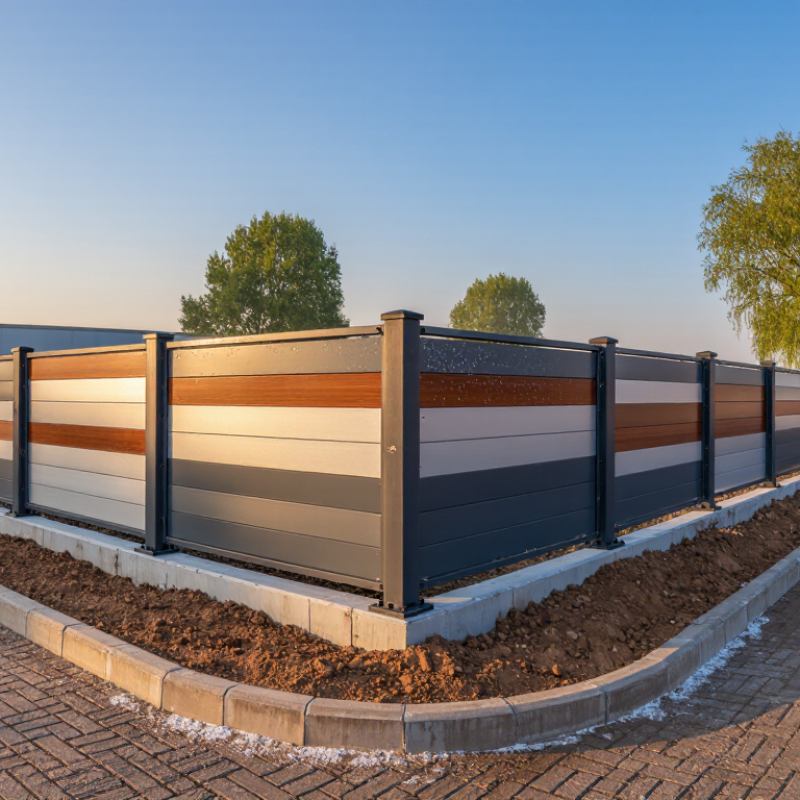
China Top 10 Ways to Prevent Damage to Fencing Systems?

Assess Site Risks and Select the Right Fencing Materials

China Top 10 Ways to Prevent Damage to Fencing Systems

Assessing site risks is the first practical defense against fencing failure. Record wind exposure, soil type, drainage, nearby trees, vehicle routes, and salt spray before choosing materials. ASCE 7-22 evaluates wind loads through speed, exposure category, topography, and enclosure conditions. A fence beside an open field needs stronger design than one sheltered by buildings. Small differences matter.

Material selection should match the site, not only the budget. The NACE IMPACT study estimated global corrosion costs at about 3.4% of worldwide gross domestic product, or roughly 2.5 trillion dollars annually. Galvanized steel suits many general environments, while marine locations may require higher corrosion resistance and sealed connections. Aluminum reduces rust risk but can suffer impact damage or poor grounding. Treated timber needs correct ground-contact protection, ventilation, and regular moisture checks. Concrete footings also require suitable depth and drainage. Water trapped around posts is a quiet failure point.

Field experience often exposes what specifications miss. Inspect loose fasteners, leaning posts, cut edges, and soil erosion after storms. Use compatible metals to reduce galvanic corrosion. Do not assume thicker materials solve every problem. A heavy panel can overload weak foundations. My own review process would include a second site inspection, because initial measurements are often incomplete. Local climate records, maintenance access, and expected impact should influence the final system choice. The cheapest material may become expensive after repeated repairs.

Install Fence Posts, Panels, and Gates with Proper Support

China Top 10 Ways to Prevent Damage to Fencing Systems?

Install Fence Posts, Panels, and Gates with Proper Support

A durable fence begins below ground. Inspect the soil before setting posts, because loose fill can shift after heavy rain. Use correctly sized foundations and keep every post plumb during concrete curing. In coastal or wet areas, drainage matters. Water trapped around a post can cause settlement, corrosion, or frost damage. I have seen a carefully aligned fence lean within one season when the footing was too shallow.

Panels need support at their joints, not only at the ends. Use strong rails, suitable fasteners, and spacing that matches the panel weight. Leave a small clearance above finished ground to reduce splashback and rot. Do not force a warped panel into alignment. It may look acceptable today. Stress often appears later as cracked connections. Gate posts deserve extra attention. They carry movement, wind, and hardware loads. Set them deeper than ordinary line posts when site conditions require it, and check the hinge side with a level before tightening fittings.

Tips: Check post alignment after the first curing period. Test the gate by opening it slowly. Listen for rubbing, sagging, or loose hardware. Recheck after storms. This simple habit is easy to overlook, and I sometimes find small movement only after damage has started. Use compatible materials, seal exposed cuts, and replace weakened fasteners promptly. A rigid support system protects panels and keeps daily operation smooth.

Protect Fences from Moisture, Corrosion, Pests, and Impact

China Top 10 Ways to Prevent Damage to Fencing Systems?

In China’s humid coastal areas, small maintenance failures can spread quickly. Keep fence posts above standing water and slope soil away from their bases. The USDA Forest Products Laboratory reports that wood decay commonly develops when moisture remains above 20%. Inspect timber after heavy rain, especially around end grain, joints, and buried sections. Seal cut surfaces with a suitable exterior preservative. Do not rely on paint alone.

Corrosion needs equal attention. The AMPP IMPACT study estimated global corrosion costs at about 2.5 trillion US dollars annually, or 3.4% of global economic output. Wash salt deposits from metal fencing near ports and coastal roads. Repair damaged coatings before rust creeps under the surface. Use drainage gaps, compatible fasteners, and galvanic isolation between dissimilar metals. A dry fence lasts longer.

Pests and impact damage are less predictable. The USDA Wood Handbook identifies moisture control as a major defense against fungal decay and insect activity. Keep mulch, vines, and stored materials away from fence lines. Check for hollow timber, mud tubes, loose soil, or fresh holes. Install visible barriers near driveways and loading areas. Add flexible protection where vehicles may reverse too close. This is often overlooked. Monthly inspections are practical, but not perfect; seasonal storms can expose weaknesses within hours. Record photographs, corrosion spots, post movement, and repair dates. That simple record improves decisions and prevents repeated mistakes.

China: Top 10 Ways to Prevent Damage to Fencing Systems

Recommended maintenance frequency for protecting fences from moisture, corrosion, pests, and impact

Regular inspection, drainage control, vegetation management, washing, coating maintenance, and prompt repairs help reduce moisture absorption, corrosion, pest activity, and impact-related failures. The intervals shown are practical maintenance targets; actual requirements depend on fence material, climate, pollution, soil conditions, and exposure.

Maintain Fencing Systems Through Regular Cleaning and Inspections

Fencing systems last longer when cleaning and inspections become routine, not emergency tasks. Dirt, salt, bird nests, and trapped leaves can hold moisture against metal surfaces. This often causes rust around bolts, hinges, welds, and post bases. Wash the fence with clean water and a mild detergent. Use a soft brush instead of an aggressive tool that may scratch protective coatings. Let every section dry fully before applying a suitable rust-resistant treatment.

Inspect the fence after storms, heavy rain, and accidental impacts. Check for leaning posts, loose fasteners, cracked welds, bent panels, and damaged gates. Pay close attention to the ground line, where hidden corrosion often begins. Measure unusual movement instead of judging it by sight alone. I have found that small problems are easy to miss during rushed checks. A simple inspection record can reveal repeated damage in the same location. No schedule is perfect. Adjust it when the site conditions change.

Tips:

  • Clean from top to bottom, then inspect from bottom to top.
  • Photograph damaged areas with a ruler for scale.
  • Remove leaves around post bases and drainage points.
  • Tighten loose hardware carefully, but do not force corroded parts.
  • Replace severely weakened components before they affect nearby sections.
  • Keep cleaning tools separate from chemical products.
  • If damage is unclear, ask a qualified fencing professional to assess the structure.

Repair Damage Early and Upgrade Vulnerable Fence Components

China Top 10 Ways to Prevent Damage to Fencing Systems

Fence damage rarely begins with a dramatic collapse. It starts with a loose anchor, a shallow rust line, or water trapped inside a post. Site teams should inspect welds, hinges, fasteners, foundations, and drainage points every three to six months. Coastal projects need shorter intervals. Salt air is unforgiving.

Repair damage early and upgrade vulnerable fence components before small faults spread. Replace cracked concrete around posts, not only the visible mesh. Use corrosion-resistant fasteners and seal open tube ends. Add bracing where wind repeatedly bends panels. For gates, check hinge alignment and ground clearance after heavy rain. A dragging gate often signals foundation movement. It should not be ignored.

The NACE IMPACT study estimated global corrosion costs at 2.5 trillion US dollars annually, equal to about 3.4% of global GDP.

That figure supports preventive maintenance, but it does not replace local inspection. The American Galvanizers Association notes that hot-dip galvanized coatings can provide decades of protection, depending on exposure and coating thickness. However, damaged coatings still need cleaning and repair. I have seen teams repaint rusted surfaces without removing scale. It looks acceptable for one season. Then corrosion returns beneath the patch. Document photos, corrosion depth, wind exposure, and repair dates. Review the records after each storm. Some “permanent” fixes are only convenient delays.

FAQS

What site conditions should be checked before choosing fencing materials?

Record wind exposure, soil type, drainage, nearby trees, vehicle routes, and salt spray. An open field may need stronger support than a sheltered yard. Small differences matter.

Which fencing materials suit different environments?

Galvanized steel suits many general locations. Marine areas need stronger corrosion resistance and sealed connections. Aluminum resists rust but may suffer impact damage. Treated timber needs ground-contact protection, ventilation, and moisture checks.

Why is drainage important around fence posts?

Trapped water can cause settlement, corrosion, rot, or frost damage. Keep drainage paths clear around concrete footings. A shallow footing may lean after one rainy season.

How should fence posts, panels, and gates be supported?

Keep posts plumb during concrete curing. Use foundations sized for the soil and expected loads. Support panels with strong rails and suitable fasteners. Gate posts usually need deeper or stronger foundations.

What clearance should remain beneath fence panels?

Leave a small gap above finished ground. This reduces splashback, trapped leaves, and timber rot. Do not force a warped panel into place. Stress may appear later.

How often should a fencing system be cleaned and inspected?

Inspect it after storms, heavy rain, and accidental impacts. Clean metal with water, mild detergent, and a soft brush. Routine checks work better than emergency repairs.

Which fence areas commonly develop hidden damage?

Check post bases, ground lines, bolts, hinges, welds, and cut edges. Salt, leaves, and bird nests can hold moisture against surfaces. Rust often begins where inspection feels inconvenient.

How can small fencing problems be documented and repaired?

Photograph damaged areas beside a ruler for scale. Record leaning, movement, cracked welds, and loose hardware. Replace weakened parts before nearby sections become stressed. My own checks are not always perfect, so a second inspection helps.

Conclusion

Preventing fence damage begins with understanding the site and choosing materials that match its climate, soil conditions, exposure, and intended use. Strong foundations are equally important, so posts should be set securely, panels aligned correctly, and gates supported to handle frequent movement and wind. A practical approach to how to prevent damage to fencing systems also includes protecting surfaces from moisture, rust, pests, vegetation, and accidental impact. Drainage, protective coatings, suitable hardware, and barriers near high-risk areas can significantly extend service life.

Regular cleaning and inspections help identify loose connections, cracks, corrosion, leaning posts, and drainage problems before they become serious. Small defects should be repaired promptly, while heavily weakened components may need reinforcement or replacement. By combining careful planning, proper installation, routine maintenance, and timely upgrades, property owners can improve fence stability, appearance, safety, and long-term performance in changing environmental conditions.

Isabella

Isabella

Isabella is a dedicated marketing professional with a sharp focus on driving brand growth and engagement through strategic content creation. With an extensive background in digital marketing, she combines her passion for storytelling with her keen understanding of industry trends to deliver......