Selecting the right wire diameter is crucial in various applications, from electrical wiring to crafting. Experts emphasize the importance of making an informed choice. For instance, John Smith, a seasoned electrical engineer, notes, "The right wire diameter can prevent overheating and ensure efficiency."
When learning how to select the right wire diameter, consider your specific needs. Different projects require varying levels of current capacity and flexibility. Oversized wires may be unnecessary and cumbersome, while undersized wires can lead to safety hazards.
Test and evaluate options based on your application. It's essential to balance strength and weight effectively. Reflect on past projects; perhaps you've faced challenges due to wire diameter choices. Understanding these factors will surely enhance your decision-making process.
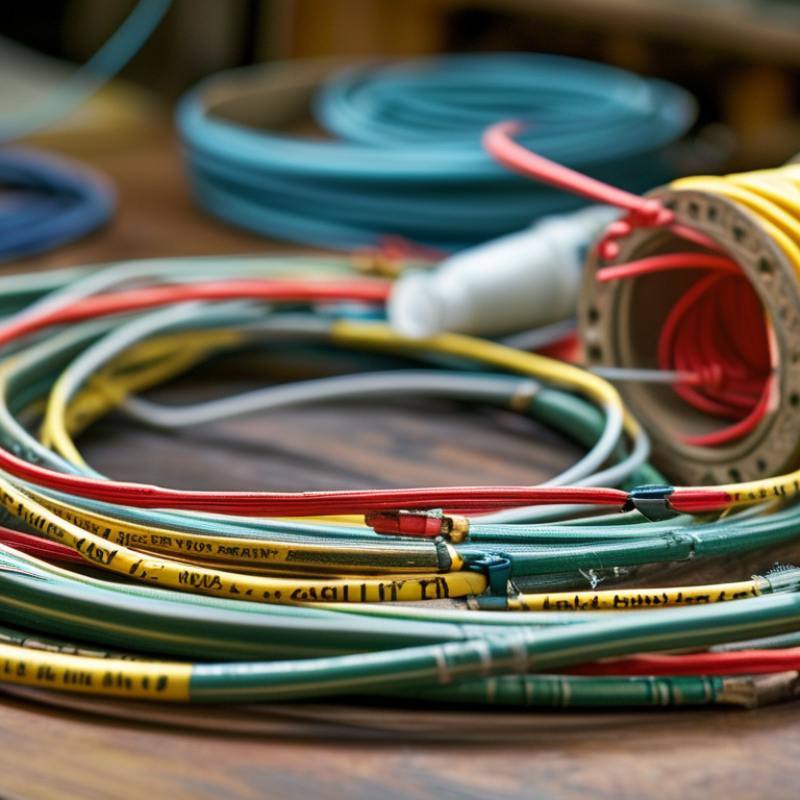
When selecting the right wire diameter for your applications, understanding wire diameter is crucial. The diameter affects electrical resistance, flexibility, and overall functionality. According to the National Electrical Code (NEC), wire gauge impacts the amount of current a wire can safely carry. For example, a 12-gauge wire carries up to 20 amps, while a 14-gauge wire carries only 15 amps. This difference is essential in preventing overheating and potential fires.
Choosing the correct wire diameter also ensures efficiency. A thinner wire may not handle high currents well, leading to energy loss through heat. On the contrary, a thicker wire can be overkill, resulting in unnecessary costs. The American Wire Gauge (AWG) system ranks wire thickness, providing a reliable standard.
Tips: Always refer to the NEC guidelines for your specific needs. Consider both the current load and the environment where the wire will be used. It's often wise to choose a gauge size that exceeds your needs slightly. This approach accommodates future upgrades or changes in usage.
Errors in selecting wire diameter can lead to safety hazards. Be mindful of the consequences of choosing the wrong size. Flexible wires are needed for spaces that require bends, while rigid wires may work best in fixed installations. Stay informed and reevaluate your choices regularly to ensure optimal performance.
Choosing the right wire diameter is crucial for electrical projects. Various factors influence this decision, including current load, voltage drop, and wire material. According to the National Electrical Code (NEC), selecting an appropriate wire diameter can prevent overheating and potential hazards.
Wire diameter affects the current-carrying capacity significantly. For instance, a 14 gauge wire can handle up to 15 amps, while a 12 gauge wire supports 20 amps. This difference is essential in residential wiring to minimize energy loss and ensure safety. Voltage drop should also be considered; excessive drop can lead to inefficient system performance. For longer runs, a thicker wire may be advisable.
Tips: Consider your specific project. Identify the amperage and voltage requirements. Always calculate the distance the current will travel to optimize your wire choice. Consult resources for recommended capacities and specific applications to validate your decisions. Being aware of the nuances can prevent costly mistakes, as not all materials conduct electricity equally. A thicker wire isn’t always better; it can be impractical for space-restricted applications. Thus, careful analysis is key.
When selecting the right wire diameter, understanding common standards is crucial. Wire diameter is typically measured in gauge or millimeters. The American Wire Gauge (AWG) is a widely used standard in North America. For instance, a lower AWG number signifies a thicker wire, which can handle more current. Conversely, a higher number indicates a thinner wire, which is less capable of managing heavy loads.
Another common measurement is the metric system, where wire diameters are given in millimeters. This system is prevalent in many parts of the world. For example, a standard wire with a diameter of 1.0 mm is often utilized in various electronic applications. Each measurement system has its advantages and specific use cases. However, errors in selecting the diameter can lead to performance issues.
It's essential to remember that each application may call for different materials and diameters. Considerations like insulation thickness and ambient temperature play a role. Measuring tools should be checked for accuracy to avoid mistakes. Reflecting on these factors can help ensure you choose an appropriate wire size. Choosing the right diameter isn't simply about numbers; it's about finding balance for your specific needs.
| Wire Gauge | Diameter (mm) | Current Capacity (A) | Typical Applications |
|---|---|---|---|
| 18 AWG | 1.024 mm | 10 A | Low voltage lighting, power tools |
| 16 AWG | 1.291 mm | 13 A | Speakers, automotive wiring |
| 14 AWG | 1.628 mm | 15 A | Household wiring, extension cords |
| 12 AWG | 2.053 mm | 20 A | Home appliances, heating elements |
| 10 AWG | 2.588 mm | 30 A | Large appliances, power distribution |
When considering wire diameters for specific applications, precision is key. Different industries have unique requirements based on their projects. For example, electrical wiring demands particular diameters to ensure safe and efficient current flow. We're not just talking about aesthetics here; suitable sizes can prevent overheating and shorts.
In the world of manufacturing, wire diameter plays a critical role in tensile strength. Thicker wires can withstand higher loads, making them ideal for heavy-duty applications. However, using excessively thick wire can lead to unnecessary costs and weight. For tasks like delicate crafting or detailed electronics, a finer wire might be needed. This balance requires careful thought and often, trial and error.
Sometimes, industries face pressure to choose a wire diameter that may not perfectly suit their needs. This could stem from cost-cutting measures or lack of understanding. Such choices could result in future problems, like equipment failure or safety hazards. Rethinking wire selection can save time and resources in the long run. Consider the specific dynamics of your application and avoid the common pitfall of oversizing or undersizing wires.
When selecting the right wire diameter, testing and evaluation are crucial. Understanding your specific needs will guide you in making the best choice. Begin by assessing the intended application. Are you using the wire for electrical connections or mechanical purposes? Each use demands different strengths and flexibility.
Tip 1: Measure existing wires. If replacing a wire, knowing the diameter is essential. Use calipers for accurate results. Measurements should be taken at different points to ensure consistency.
Tip 2: Consider the load requirements. Thicker wires can handle more current. However, they can be less flexible. Think about how often you’ll bend the wire. Testing flexibility is often overlooked but is vital for long-term usage.
Test wires under actual conditions. This allows you to evaluate performance under strain. Do not rush this process. It helps in recognizing potential issues. Flexibility, strength, and thermal resistance should all be considered. Getting the correct diameter can avoid problems later on.
: The right wire diameter ensures safety and efficiency in electrical projects, preventing hazards like overheating.
Factors include current load, voltage drop, and wire material. Each element affects performance and safety.
For example, a 14 gauge wire handles 15 amps, while a 12 gauge wire supports 20 amps. Size matters here.
Excessive voltage drop can reduce system efficiency. Thicker wire may be needed for longer distances.
Thicker wires are suited for higher loads but may not always be practical, especially in tight spaces.
Different industries have unique wire requirements, balancing strength and costs. Understanding your project is vital.
Yes, it can cause unnecessary costs and weight. Always analyze your specific application before deciding.
Avoid the pitfall of choosing a wire that doesn’t fit the amperage and voltage needs of your project.
Identify your project needs, consult resources, and consider the specific dynamics to prevent costly errors.
Yes, finding the right wire diameter may require some experimentation and reflection on past choices.
Selecting the right wire diameter is crucial for ensuring optimal performance in various applications. Understanding wire diameter involves recognizing its significance in electrical conductivity, strength, and flexibility. When deciding how to select the right wire diameter, several factors come into play, including the intended use, voltage requirements, and environmental conditions.
Common standards and measurements, such as American Wire Gauge (AWG) and metric sizing, provide a framework to guide your selection process. Specific applications may necessitate precise wire diameters to meet safety and performance criteria. Lastly, testing and evaluating wire diameter through methods like micrometer measurements can help confirm that you are making the right choice for your needs. This comprehensive approach enables you to select the most suitable wire diameter for your projects effectively.

Reivanta Mesh