A fence that works beside a quiet garden may fail on a windy hillside or busy street. Choosing well starts with the site, not the product catalog. Check the ground, drainage, exposure, privacy needs, and likely wear before comparing materials. Salt air can corrode unsuitable metal. Wet soil may weaken posts. Strong gusts can strain solid panels, while gaps allow wind to pass. Details matter.
This guide explores how to choose fencing for different environments through ten practical considerations, from material and height to maintenance and installation. Look closely at how the fence will be used: a family yard may need a secure gate and smooth edges, while a rural boundary may call for durable posts and clear sightlines. Measure the full run, note slopes, and inspect the soil where posts will sit. A small mistake here can become an expensive repair.
No option suits every property. A low-maintenance material may cost more upfront, and an attractive design may need regular care. I have seen plans change after a closer look at drainage or shade; that is worth admitting. Before settling on a choice, compare product specifications and ask a qualified installer about site-specific concerns. The right fence should fit its setting, perform reliably, and remain practical to maintain.
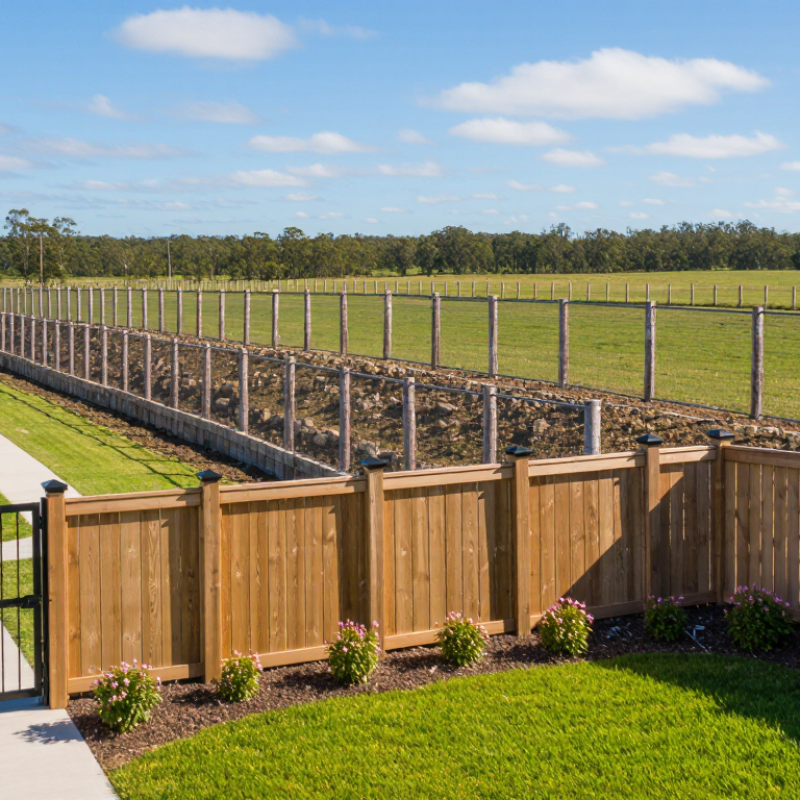
Before comparing fence materials, spend time where the fence will stand. Note prevailing wind, heavy rain, freeze-thaw cycles, and hours of direct sun. Salt carried inland from the coast can speed corrosion. Damp soil may shorten the life of posts. Small details matter.
Walk the boundary after rain. Soft ground, exposed roots, steep slopes, and drainage channels can change post spacing or installation depth. A fence that follows a slope may leave gaps beneath it; stepping panels can avoid some gaps but may look uneven. I once assumed a level-looking lawn needed no survey. The ground had a subtle fall, and the finished line made it obvious. Measure twice, and allow for surprises.
Match the design to daily use. A garden enclosure may need openings for airflow, while a busy roadside boundary may call for stronger visibility and impact resistance. Consider pets, maintenance access, and snow removal before choosing height or layout. Check local planning requirements and property records before digging or ordering materials. Rules can vary by location, street, and fence height, and underground utilities may cross the boundary. Ask the relevant local office or utility service when details are unclear. It can feel like extra work. It is cheaper than moving a misplaced post.
| # | What to Assess | Practical Guidance | Options to Consider | Checks Before Installation |
|---|---|---|---|---|
| 1 | Climate and rainfall | Frequent rain and persistent damp can accelerate decay in untreated timber and corrosion in unprotected metal. Choose materials and finishes rated for the exposure. | Durable treated timber, naturally durable wood, or corrosion-resistant metal components. | Ask how often coatings or treatments need maintenance; check drainage around posts. |
| 2 | Wind exposure | Solid panels catch more wind than open designs. On exposed sites, wind pressure can place greater loads on panels, posts, and foundations. | Open or partially open fencing, with posts and foundations designed for local conditions. | Check local wind exposure and have structural requirements assessed where necessary. |
| 3 | Terrain and slope | Sloping ground may require stepped panels or fencing that follows the grade. Uneven gaps can affect security and animal containment. | Stepped panels for a consistent top line, or raked panels designed to follow the slope. | Measure changes in elevation and confirm the layout works at gates and boundaries. |
| 4 | Soil and drainage | Soft, waterlogged, sandy, or rocky ground can affect post stability and the type of foundation that is practical. | Post and footing designs suited to the soil; ground-contact-rated materials where appropriate. | Locate buried utilities before digging and check for drainage routes or difficult ground. |
| 5 | Purpose and security | Decide whether the main goal is privacy, boundary definition, security, noise reduction, or keeping animals in or out. | Privacy panels, close-board fencing, rail fencing, or mesh fencing, selected for the intended function. | Check that height, openings, and construction suit the site and intended use. |
| 6 | Children and pets | Small gaps, sturdy construction, and secure gates can help reduce escape or entrapment risks. Requirements vary with the animal and site. | Appropriately spaced panels or mesh, smooth edges, and self-latching gates where suitable. | Inspect for climbable features, sharp edges, gaps, and gate security. |
| 7 | Wildlife and landscape | A continuous barrier can restrict movement for some wildlife. The right design depends on local species and whether containment is essential. | Wildlife-friendly gaps or openings where appropriate, or targeted fencing around specific areas. | Check local wildlife guidance and avoid blocking established drainage or habitat routes. |
| 8 | Maintenance and lifespan | Materials differ in their need for painting, staining, cleaning, and repair. Consider the time and cost of upkeep over the fence’s service life. | Choose materials and finishes whose maintenance demands match your available time and budget. | Review care instructions, expected exposure, repairability, and replacement-part availability. |
| 9 | Property boundaries and access | Accurate boundary placement helps prevent disputes. Gate positions should provide convenient access without obstructing paths or sightlines. | A layout that follows verified boundaries and includes gates suited to everyday use. | Check deeds or survey information, discuss shared boundaries, and locate underground services. |
| 10 | Planning rules and local restrictions | Rules can vary by location and may depend on fence height, position, road visibility, heritage status, or other site conditions. | Select a design that can be adjusted to meet applicable local requirements. | Contact the relevant local authority before work begins; also check easements, covenants, and permit requirements. |
Note wind, rain, freezing conditions, direct sun, and salty air. These affect materials and post life.
Walk the boundary after rain. Look for soft soil, exposed roots, slopes, and drainage channels. Small details matter.
Think about pets, airflow, maintenance access, and snow removal. Sloped ground may leave gaps beneath panels.
Yes. Review property records and local planning rules. Ask about underground utilities when their location is unclear.
Consider moisture, salt, pollution, and nearby sprinklers or pools. Check posts, cut edges, welds, and fasteners for exposed areas.
Not necessarily. Ask for coating details, surface preparation requirements, and an expected durability range. Appearance alone can mislead.
Wind design depends on local conditions, fence height, exposure, and terrain. Solid panels can act like sails.
They work with the panels, posts, and foundations as one system. Weak anchors can undermine a strong panel. I once overlooked that.
Choosing the right fence begins with understanding the environment. To learn how to choose fencing for different environments, assess the local climate, terrain, intended use, drainage, exposure to weather, and applicable planning requirements. A fence for a coastal or industrial area may need stronger corrosion protection than one installed in a dry, sheltered location. ISO 12944 exposure classes, from C1 to C5, can help guide the selection of suitable protective coatings and materials.
Safety, strength, and access should also shape the design. Pool barriers should be at least 1.2 meters high, with openings no larger than 100 mm where required for child safety. Wind and impact risks should be evaluated using appropriate ASCE 7 criteria and ASTM-based testing. Gate layouts should provide practical access, including an 815 mm minimum clear width where accessibility standards apply. Finally, compare installation, maintenance, repair, and replacement expenses to determine the best long-term value.

 Reivanta Mesh