Top China Architectural Wire Mesh Suppliers & Exporters

Precision-Engineered Metal Fabrics, Woven Wire Systems, & Security Solutions for Global Industrial and Commercial Infrastructure Projects

Engineering Pedigree

Advanced Metallurgy & Production Standards

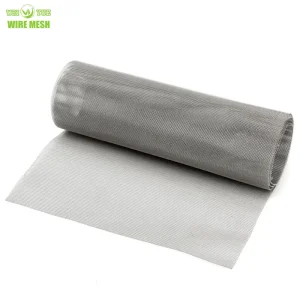
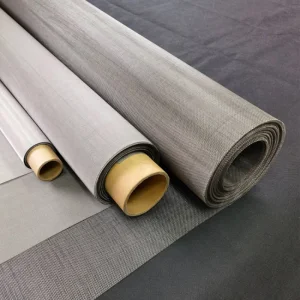
As a leading Chinese architectural wire mesh exporter, our manufacturing plants utilize advanced computer-aided rapier looms, automated CNC expanded metal presses, and precision tensioning systems. By selecting optimal grain-structured stainless steel, copper, and specialized metal foils, we engineer solutions designed to withstand environmental deterioration and structural loading.
Premium Grade Alloys: Utilizing Austenitic Stainless Steel (SUS 304, 316, 316L, 904L) and Phosphor Bronze alloys for optimal tensile properties.
Precision Tension Control: Microprocessor-controlled weaving looms guarantee straight warp/weft pathways and consistent open area ratios.
Surface Treatment Diversity: Offering electroplating, physical vapor deposition (PVD) coating, fluorocarbon spraying, and anodizing.
Dongguan Reivanta Mesh Automated Weaving Workshop
12+
Years Engineering Experience
50+
Export Destination Countries
2,000+
Global Industrial Clients
99.8%
Quality Acceptance Rate
Architectural Engineering

Structural Integration & Local Building Compliance

A comprehensive overview of architectural metal mesh applications, engineering parameters, and global regulatory standards.

Facade Cladding

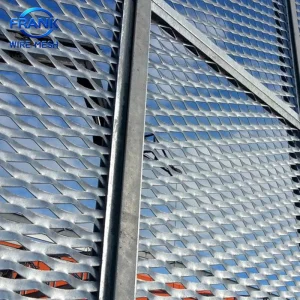
Architectural expanded and woven meshes serve as dynamic outer skins for buildings. They offer shading, reduce solar heat gain, support ventilation, and provide privacy while maintaining outward visibility.

Safety & Balustrades

High-tensile stainless steel wire mesh infill panels provide fall protection on staircases, balconies, and footbridges, ensuring compliance with local load-bearing safety regulations.

Sunshades & Ceilings

Suspended ceiling installations use patterned metallic meshes to cover HVAC equipment, improve acoustic performance, and diffuse direct light in commercial spaces.

Material Type Common Alloys Structural Advantages Standard Compliance Key Applications
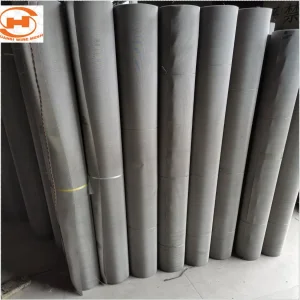
Austenitic Stainless Steel SUS 304, 316, 316L, 904L Exceptional resistance to pitting corrosion, high tensile strength. ASTM A240, EN 10088 Exterior Facades, Coastal Balustrades, Filtration
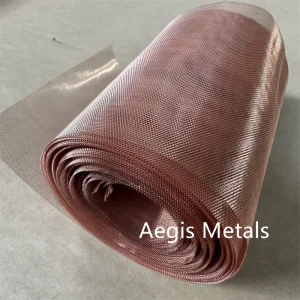
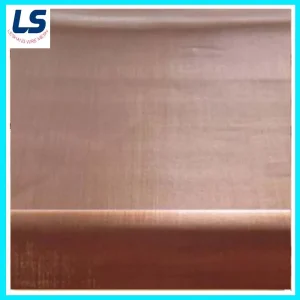
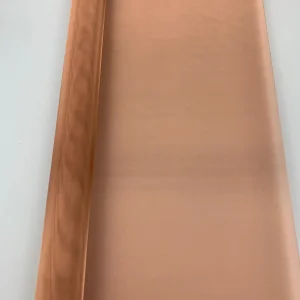
Copper & Copper Alloys Phosphor Bronze (CuSn6), Brass Excellent electrical conductivity, antimicrobial properties, natural patina finish. ASTM B139, EN 1652 EMI Shielding, Decorative Partitions, Antique Screens
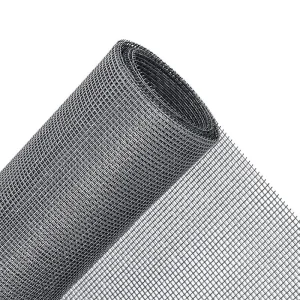
Aluminum Alloy Al 1060, 3003, 5052 Low density, high strength-to-weight ratio, versatile surface finishing. ASTM B209, EN 485 Expanded Metal Facades, Sunshades, Lightweight Ceilings
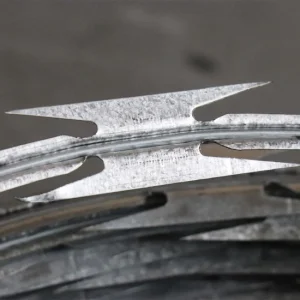
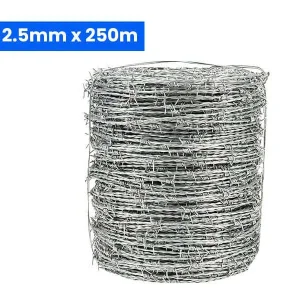
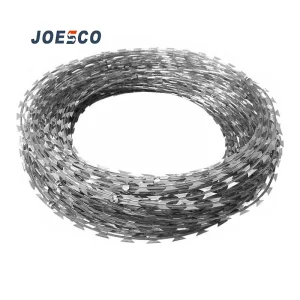
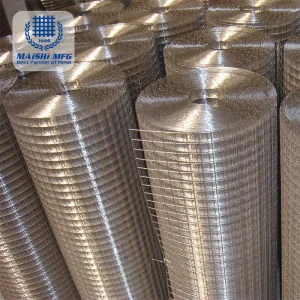
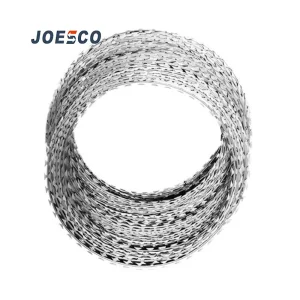
Carbon Steel (Galvanized) Q195, Q235, High-Tensile Cost-effective structural rigidity, long-term barrier protection. ASTM A641, EN 10244 Razor Barbed Wire, High-Security Perimeter Fencing
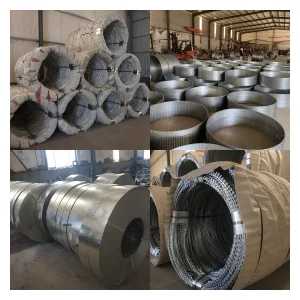
Dongguan Reivanta Mesh Production Center
Our Journey

Dongguan Reivanta Mesh Co., Ltd.

Dongguan Reivanta Mesh Co., Ltd. is a professional China wire mesh supplier specializing in industrial filtration mesh, copper mesh, and security fencing products. Located in Dongguan, a major manufacturing hub, the company is dedicated to providing high-quality metal mesh solutions for global industrial, commercial, and infrastructure applications.

Reivanta offers a diverse product range including stainless steel filtration mesh for precision separation, copper and alloy mesh for electrical and decorative uses, and durable barbed wire and fencing systems for security protection. With advanced weaving, welding, and surface treatment technologies, the company ensures consistent quality, corrosion resistance, and long service life across all products.

Committed to innovation and customer satisfaction, Dongguan Reivanta Mesh Co., Ltd. strives to deliver reliable, cost-effective, and customized wire mesh solutions worldwide.

2012
Establishment & Local Processing Focus
Founded in 2012, Reivanta began as a small workshop focusing on basic wire mesh processing for local manufacturing and agricultural industries in the Pearl River Delta region.
2016
Global Market Entry & R&D Expansion
Expanded production facilities and entered international markets. Commenced exporting high-precision industrial copper mesh and customized stainless steel filtration assemblies to clients worldwide.
2019
Automation & Advanced Testing Labs
Introduced automated high-speed rapier looms and digital tension controllers. Established in-house testing labs for metallurgical verification and tensile strength certification.
2023
Comprehensive Architectural & Security Systems Portfolio
Formulated a complete catalog of architectural decorative mesh, structural facade panels, and high-security razor wire systems. Reivanta continues to supply industrial and commercial projects globally.
Sourcing Intelligence

China's Wire Mesh Supply Chain & Logistics

Analyzing production efficiency, regional clusters, and global logistics workflows that lower costs and speed delivery.

Industrial Agglomeration

Our location in Dongguan provides access to raw materials, rapid tolling services, surface-coating plants, and logistics networks. This proximity shortens lead times for custom mesh configurations.

Quality Control Protocols

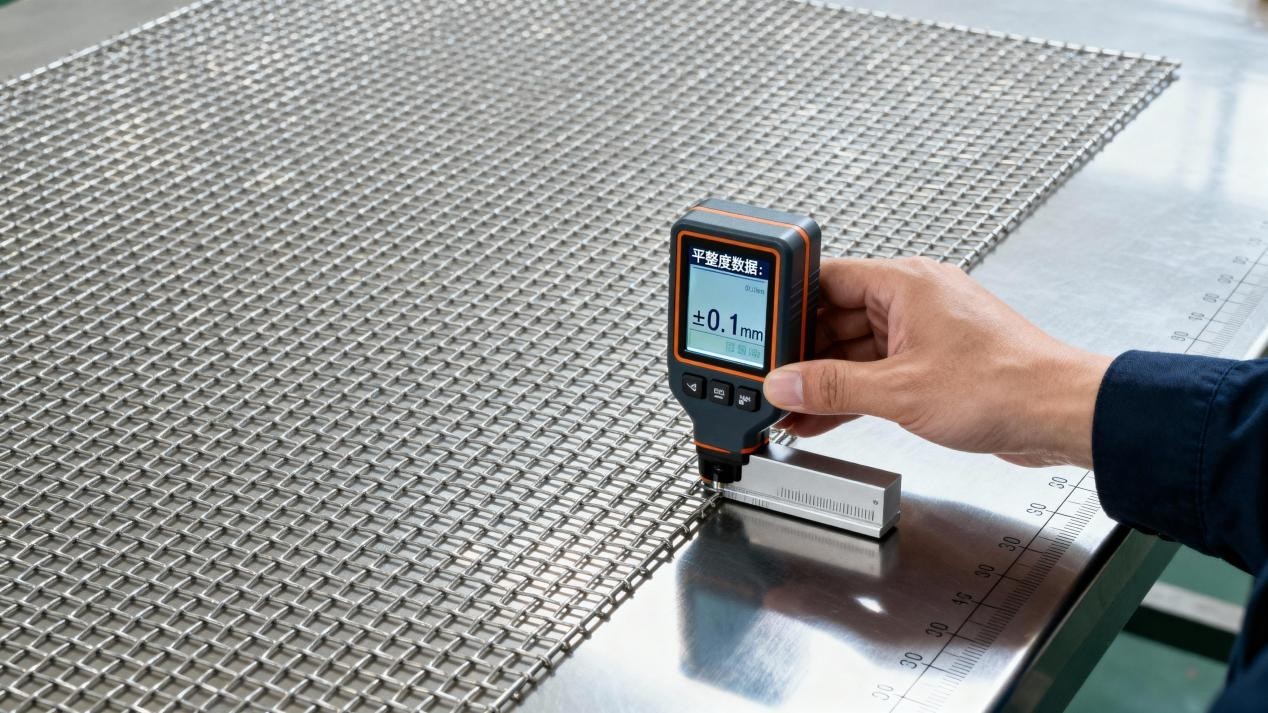
Our quality assurance process tracks production from chemical testing of wire rods to final checks on mesh opening sizes, flat alignment, and tensile properties, ensuring adherence to ASTM and EN specifications.

Logistical Optimization

Located near major ocean shipping routes and international cargo airports, we support EXW, FOB, CIF, and DDP terms, managing transport documentation and customs clearance.

Technical Helpdesk

Frequently Asked Questions & Engineering Queries

Technical guidance and purchasing support for structural designers, site managers, and global procurement officers.

Q1: What are the main variables that determine the cost of custom architectural wire mesh? +
Pricing is primarily determined by:
  • Material Selection: Standard stainless steel (SUS 304) is more economical than molybdenum-bearing alloys (SUS 316) or phosphor bronze.
  • Mesh Geometry: Tight tolerances and high mesh counts require slower weaving speeds on technical rapier looms.
  • Secondary Surface Treatments: Post-weaving processes such as PVD color coating, powder coating, or electropolishing.
  • Configuration and Panels: Prefabricated panels with welded margins or custom fixing brackets require additional manufacturing steps.
Q2: How do you select the correct stainless steel grade for coastal architectural installations? +
For coastal environments within 5 km of saltwater, we recommend SUS 316 or SUS 316L. These grades contain 2-3% molybdenum, which increases resistance to chloride-induced pitting and crevice corrosion. For highly corrosive industrial environments, duplex stainless steels or super-austenitic grades like 904L may be required.
Q3: What open area percentage is recommended for building facades to balance shading and visibility? +
An open area of 40% to 60% is typically specified for facade cladding. This range allows natural daylight to enter and maintains outward visibility, while reducing solar heat gain and lowering cooling loads on HVAC systems.
Q4: What mounting and tensioning systems are available for large-scale wire mesh facades? +
We offer three main mounting systems:
  • Tension Profile with Clevis Screws: Round bars inserted into the woven mesh margins and secured with eye bolts to allow post-tensioning.
  • Folded Frames: The mesh is welded directly into steel channels or angle frames, then bolted to the sub-structure.
  • Clamping Plates: Flat bar plates clamp the mesh edge at intermediate support lines, suitable for wind load resistance.
Q5: Can copper foil expanded mesh be used for electromagnetic interference (EMI) shielding? +
Yes. Our 0.1mm thick ultra-thin copper foil expanded mesh provides electrical conductivity and surface coverage suitable for RF/EMI shielding chambers, Faraday cages, and lithium battery current collector applications.
Q6: How do you ensure product quality during international shipment? +
All shipments are packed to prevent movement and moisture damage. Mesh rolls are wrapped in moisture-resistant barrier paper and packed in rigid plywood crates. Heavy fencing panels and razor wire coils are secured to steel-reinforced pallets and stretch-wrapped to protect against ocean transport environments.
Q7: What technical certifications are provided with the metal mesh shipments? +
Every shipment includes a Mill Test Certificate (MTC) under EN 10204 3.1. This certificate details the chemical composition (carbon, chromium, nickel, molybdenum) and mechanical properties (tensile strength, yield strength, elongation) of the wire raw material.
Q8: How does Reivanta Mesh handle custom sample prototyping? +
We provide pre-production prototyping services. For standard patterns, sample panels can be prepared within 3-5 working days. For custom patterns, we adjust our loom configurations to produce a short run, ensuring the physical sample meets the project's visual and structural design requirements.