High-performance wire structures fabricated to meet stringent international standards for filtration, physical reinforcement, and high-security border protection.
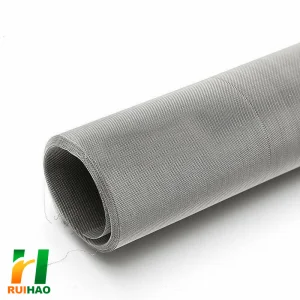
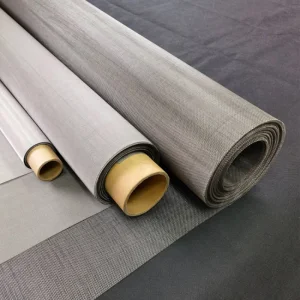
In modern industrial ecosystems, custom metal mesh serves as a critical structural component across fields ranging from standard geological separation to micro-scale electronic applications. High-precision mesh types are no longer classified as basic hardware; they function as precision filtration components.
From standard SS304/SS316 alloys used in maritime infrastructure to exotic metals like Titanium, Silver, Tungsten, Nickel, and Monel, the selection of raw materials defines the capability limit of the final application. The requirements for chemical stability, temperature tolerance, and mechanical strength mean that custom-designed apertures, wire diameters, and weaving methods are required for modern manufacturing operations.
Globally, wire mesh is a foundational component for architectural facades, pharmaceutical grading, wastewater filtration, petroleum separation, and renewable energy storage. Particularly in deep-filtration processes where micron-level precision is required, custom weaving styles like Plain Dutch Weave and Lock Crimp structures ensure structural integrity under high working pressures.
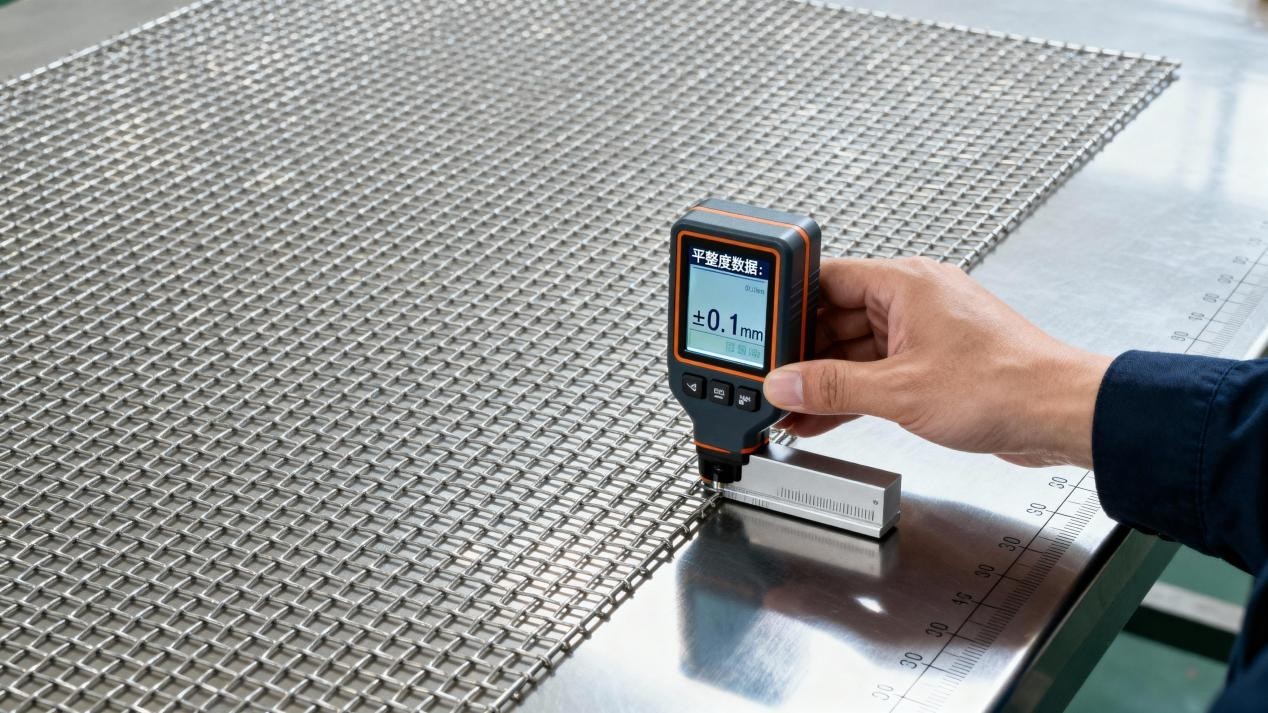
China's wire mesh industrial cluster delivers a combination of specialized raw material access, integrated heat treatment facilities, and advanced production automation.
Unlike fragmented regional fabricators globally, Chinese exporters leverage complete industrial supply networks that source high-grade stainless steel rods and fine wires directly from localized mills. This vertical integration reduces logistics friction and raw material volatility, allowing for consistent cost performance and predictable production schedules.
In addition, Chinese manufacturing is centered on digital upgrades. Utilizing automated multi-axis rapier looms, computer-guided crimping machines, and computerized physical mesh testing equipment ensures that every roll matches strict ASTM dimensional tolerances. This systematic approach achieves high dimensional stability, uniform spacing, and high tensile values for high-strength mesh systems.

A professional China wire mesh supplier specializing in industrial filtration mesh, copper mesh, and security fencing products.
Located in Dongguan, a major manufacturing hub, the company is dedicated to providing high-quality metal mesh solutions for global industrial, commercial, and infrastructure applications. Reivanta offers a diverse product range including stainless steel filtration mesh for precision separation, copper and alloy mesh for electrical and decorative uses, and durable barbed wire and fencing systems for security protection. With advanced weaving, welding, and surface treatment technologies, the company ensures consistent quality, corrosion resistance, and long service life across all products.
How customized wire mesh products adapt to specific global regional environmental conditions and operational challenges.
In Australia and South America, abrasive mining environments require high-tensile lock crimp and polyurethane-coated metal screen meshes. These products withstand massive impact loads during mechanical classification of raw ore and minerals.
Developing economies focus on clean energy storage. Nickel, copper, and titanium microgrid plates function as critical flow field substrates within fuel cell cathodes, managing electron collection with high structural continuity.
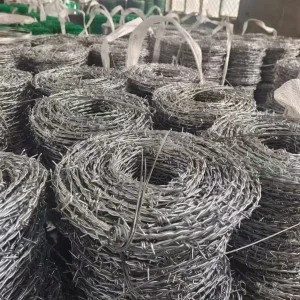
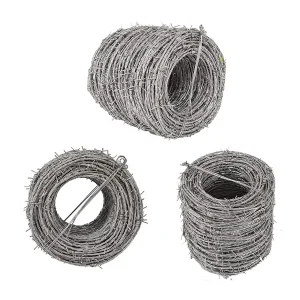
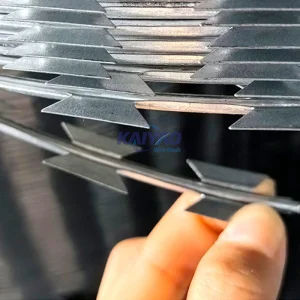
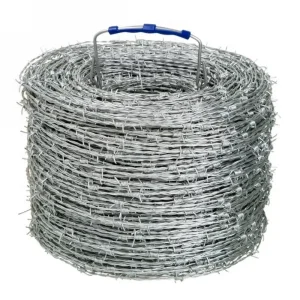
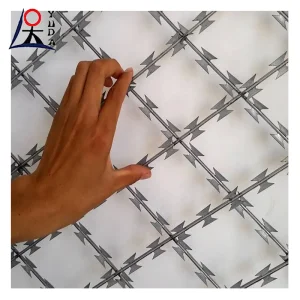
Border control agencies, correctional institutions, and energy facilities rely on double-strand razor barbed wires and high-tensile galvanization techniques to prevent perimeter breaches under extreme weather conditions.
A professional roadmap for engineering firms and procurement teams evaluating custom wire mesh solutions.
When sourcing custom-engineered wire mesh, procurement directors must evaluate technical parameters beyond basic dimensions to ensure performance reliability:
Engineered options from precision micro-foils to architectural expanded metals and heavy polyurethane screening panels.
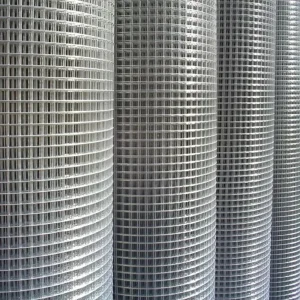
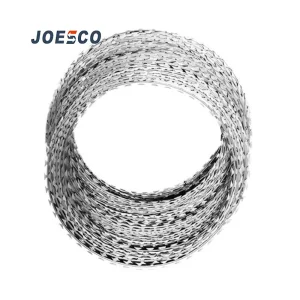
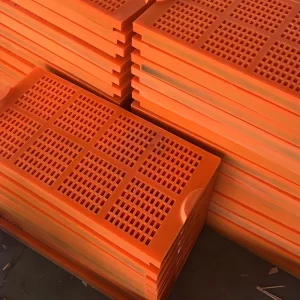
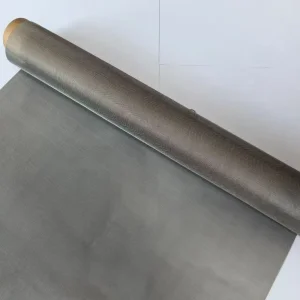

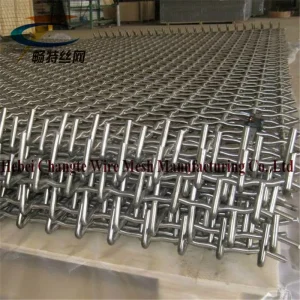
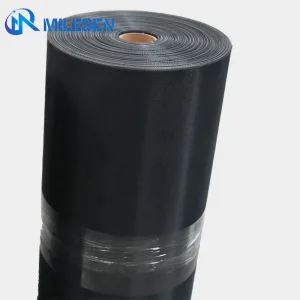
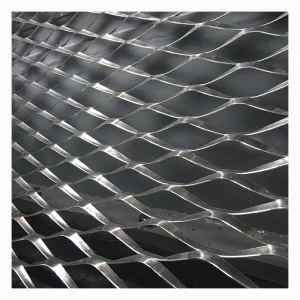
A forward-looking analysis of modern metallurgy and manufacturing automation in wire mesh systems.
The global metal wire mesh sector is shifting toward extreme precision, high corrosion resistance, and sustainable production processes. Four key developments are defining this industry:
Modern separation processes in biomedical and pharmaceutical production require aperture control below 10 microns. Weavers use micro-diameter wire along with specialized tension control systems to prevent deformities across the mesh web.
To minimize environmental impacts, factories are transitioning to hydrogen-powered bright annealing ovens. These systems reduce emissions while delivering a cleaner finish to stainless steel and copper wires.
Using dual-coating techniques (such as zinc-aluminum coatings followed by thermosetting epoxy) provides improved resistance against salt spray. This protection extends the working lifespan of agricultural and coastal installations.
Technical answers directly from Reivanta’s engineering desk to assist your purchasing decisions.
 Reivanta Mesh