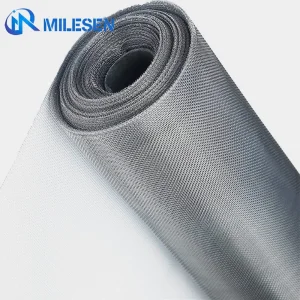
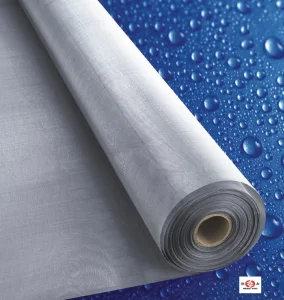
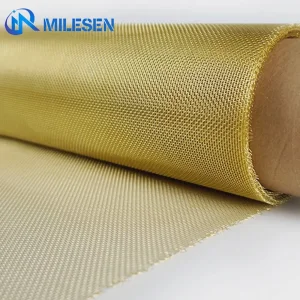
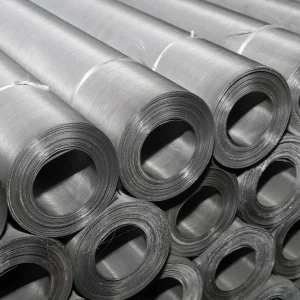
The global silk screening mesh industry has evolved from traditional textile printing into a high-tech manufacturing essential. Today, it serves as the backbone for industries ranging from Consumer Electronics (PCBs) and Solar Energy to Medical Devices and Automotive components. With the rise of high-precision printing needs, the market for monofilament polyester and stainless steel mesh has seen a CAGR of over 5.8% globally.
Expanding across Europe, North America, and Southeast Asia with high demand in industrial filtration.
Transitioning to ultra-thin diameters and high-tension capabilities for micro-electronics.
Increasing use of recyclable materials and eco-friendly coatings in mesh production.
When searching for a Top 10 Silk Screening Mesh Supplier, global buyers no longer look just at price. The criteria for authority and reliability (E-A-T) have become paramount in international trade. Modern procurement focuses on:
Professional suppliers like Dongguan Reivanta Mesh Co., Ltd. have integrated weaving, coating, and cutting services. This "One-Stop" model reduces logistics costs and ensures that the mesh arrives ready for the frame, whether for a textile shop in Los Angeles or a precision electronics plant in Shenzhen.
The hierarchy of the silk screening mesh world is divided into several tiers. Understanding where your supplier sits helps in aligning your business goals:
Focusing on ultra-high-end applications like smartphone screens and semiconductor masks. Their price point is premium, aimed at Tier 1 tech companies.
Companies like Dongguan Reivanta Mesh bridge the gap between high quality and cost-efficiency. Utilizing advanced imported looms (such as Sulzer), these factories produce mesh that rivals European standards at a significantly lower cost basis.
Suppliers in regions like India or Vietnam focusing primarily on the garment and textile printing industry, where mesh count requirements are lower (usually 80-160 mesh).
Used in the production of PCBs, membrane switches, and touchscreens where 0.01mm accuracy is vital.
High-volume screen printing for garments, utilizing polyester mesh for vibrant ink deposition.
Printing on automotive glass, architectural panels, and ceramic tableware using chemical-resistant mesh.
Whether it is the FDA-approved nylon mesh used in pharmaceutical filtration or the heavy-duty stainless steel mesh used in mining screens, the adaptability of our products ensures they fit into your specific local industrial ecosystem.
Dongguan Reivanta Mesh Co., Ltd. is a professional China wire mesh supplier specializing in industrial filtration mesh, copper mesh, and security fencing products. Located in Dongguan, a major manufacturing hub, the company is dedicated to providing high-quality metal mesh solutions for global industrial, commercial, and infrastructure applications.
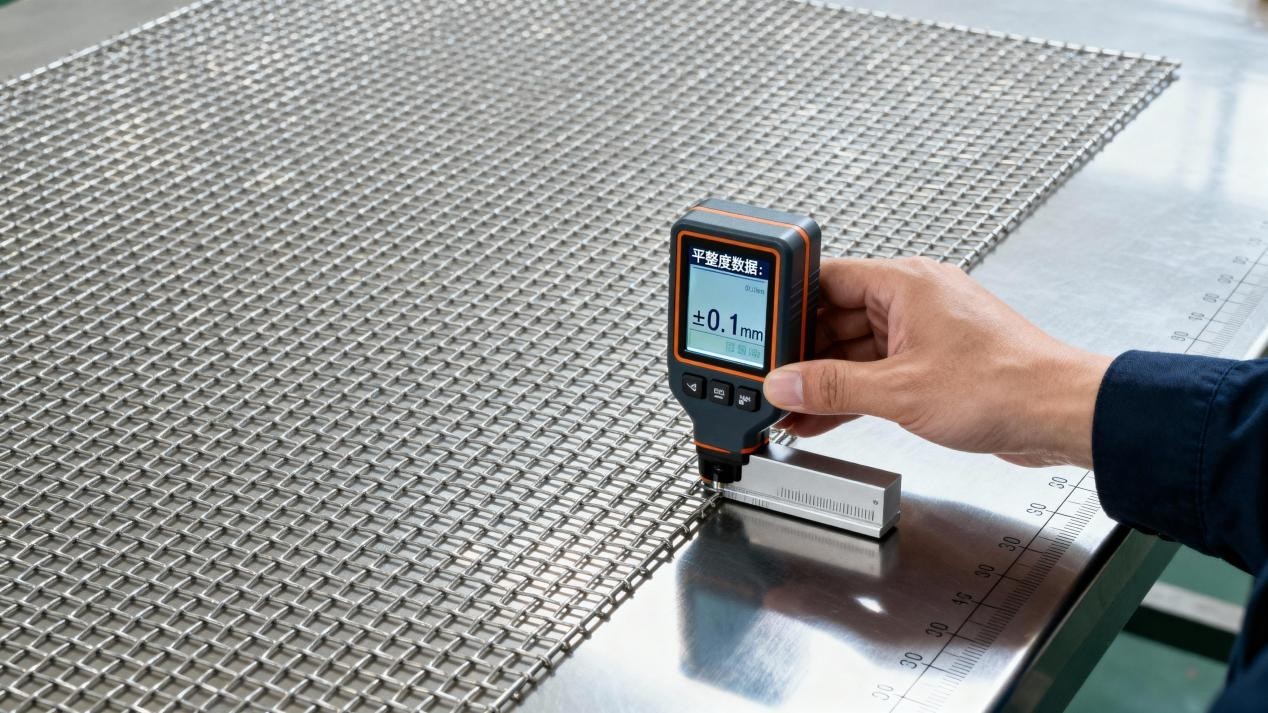
Reivanta offers a diverse product range including stainless steel filtration mesh for precision separation, copper and alloy mesh for electrical and decorative uses, and durable barbed wire and fencing systems for security protection. With advanced weaving, welding, and surface treatment technologies, the company ensures consistent quality, corrosion resistance, and long service life across all products.
Founded in 2012, Reivanta began as a small workshop focusing on basic wire mesh processing for local industries. By 2016, the company expanded its production capabilities and entered international markets, supplying customized filtration mesh solutions. In 2019, Reivanta introduced automated production lines and enhanced R&D capacity, enabling high-precision and large-scale manufacturing. By 2023, the company had established a comprehensive product system covering industrial filtration, decorative mesh, and security fencing.

Committed to innovation and customer satisfaction, Dongguan Reivanta Mesh Co., Ltd. strives to deliver reliable, cost-effective, and customized wire mesh solutions worldwide.
Expertise and experience dictate that choosing the right mesh is a balance of physics and chemistry. Here is a breakdown of technical parameters used by top-tier engineers:
The "Mesh Count" refers to the number of threads per linear inch. A higher mesh count (like 305 or 355) uses thinner wires to provide higher resolution but may deposit less ink. For heavy industrial filtration, a lower mesh count with thicker wires is preferred for structural integrity.
We are seeing a massive shift toward "Direct-to-Mesh" (DTM) digital imaging. This requires the mesh surface to be perfectly treated for emulsion adhesion. As a leading supplier, Reivanta is already optimizing our mesh surfaces with plasma treatments to meet these futuristic digital requirements.
 Reivanta Mesh