In modern industrial applications, welded wire networks are not merely fences or partitions; they serve as structural reinforcements, precision separation barriers, and high-durability enclosures. Global procurement managers operating in fields such as chemical processing, mining extraction, civil infrastructure, and security fortification demand materials that can survive severe environmental stresses. These stresses include chemical exposure, cyclical mechanical loading, extreme temperatures, and coastal atmospheric corrosion.
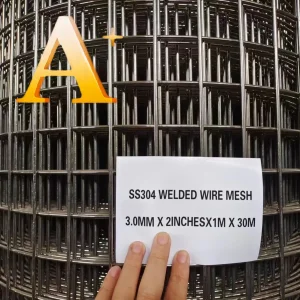
To meet these requirements, manufacturers must enforce strict metallurgical controls. Selecting the optimal alloy—ranging from carbon steel subjected to hot-dip galvanization to premium austenitic stainless steel grades such as AISI 304, 316, or specialized 316L—is critical. Each material composition behaves uniquely under load and in contact with corrosive agents. For instance, in maritime infrastructures or pharmaceutical processing lines, the higher molybdenum content in AISI 316 wire networks offers superior pitting resistance. This prevents premature stress corrosion cracking that could lead to catastrophic structural failures.
Ensuring absolute uniformity in weld spot shear strength is key. Our factory utilizes computerized multi-spot welding lines to guarantee that every joint maintains its tensile integrity under severe load distributions.
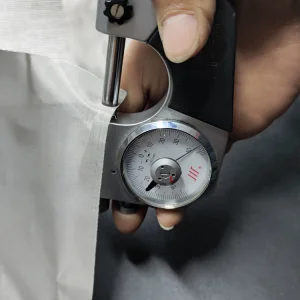
Conforming to international specifications including ASTM A185, ASTM A82, and EN 10223. We execute comprehensive tensile and dimensional audits for every manufactured batch.
Located in the heart of Dongguan's manufacturing corridor. We maintain deep relations with local smelters to ensure uninterrupted raw material sourcing and rapid export logistics.
China's dominance in the global wire mesh industry is sustained by specialized, highly integrated manufacturing clusters. Dongguan stands as a prime example of this industrial capability. This environment combines metallurgical processing, automated toolmaking, and advanced surface finishing within a tight geographical area. For global procurers, this structural synergy translates directly into reduced lead times, optimized cost structures, and consistent product quality.
At Dongguan Reivanta Mesh Co., Ltd., we leverage this regional advantage to manage every step of the wire mesh production process. By sourcing top-tier wire rods locally, we perform wire drawing, precise annealing, automatic grid welding, and specialized surface coating (such as hot-dip galvanizing and fluid-bed PVC coating) in-house. This direct control over the production line eliminates third-party delays, minimizes logistical overhead, and guarantees traceability from the raw steel coil to the finished mesh panels.
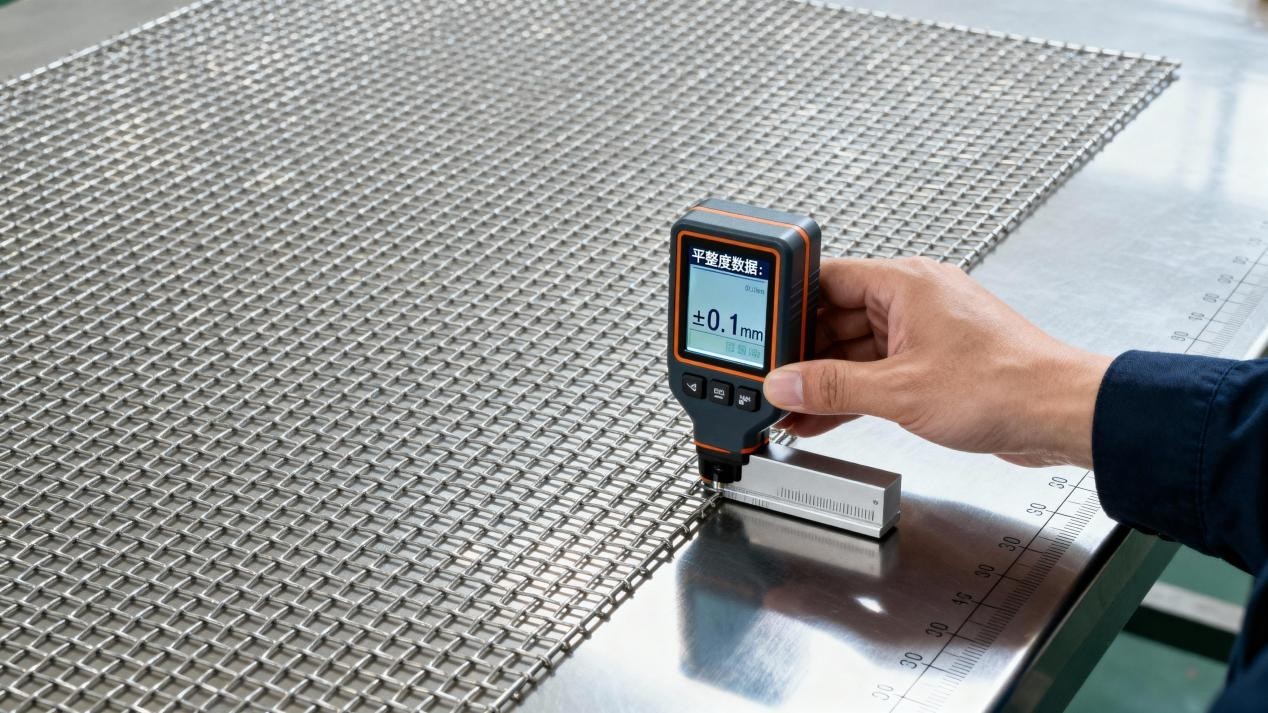
Exporting wire mesh systems to North America, the European Union, or Asia-Pacific requires strict adherence to localized building codes and environmental mandates. For example, steel wire mesh used in concrete reinforcements must comply with the ASTM A1064 standard, which defines precise criteria for wire diameter tolerances and weld shear performance. For projects in the EU, wire mesh products must meet CE marking requirements and conform to standard EN 10223-4 for steel wire fences. Additionally, environmental standards such as RoHS and REACH compliance are critical for PVC-coated wire mesh, ensuring the protective coatings are free of restricted hazardous substances and heavy metals.
In high-precision filtration and chemical processing, material traceability is a key compliance factor. We provide material test reports (MTR) according to EN 10204 3.1, detailing the chemical composition and mechanical properties of each batch. This level of quality documentation is essential for industries like petroleum refining and food processing, where even minor deviations in alloy quality can cause premature failure or product contamination.
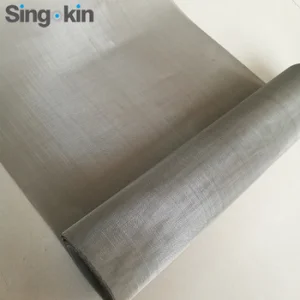
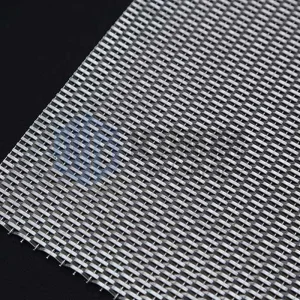
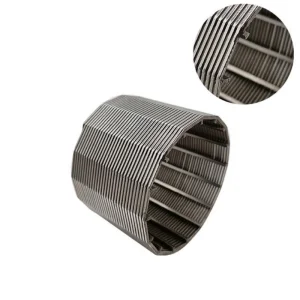
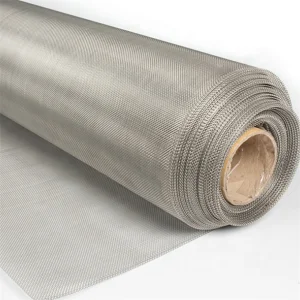
Suitable for pharmaceutical filtration, hydraulic fluid cleaning, and micro-screening. Our ultra-fine woven and welded grids deliver clean particle retention down to 5 microns.
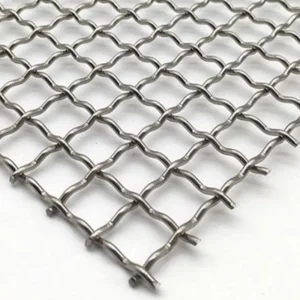
Heavy-duty concrete mesh panels engineered to absorb tensile loads. Crucial for bridge structures, highway decks, and heavy industrial floor slabs.
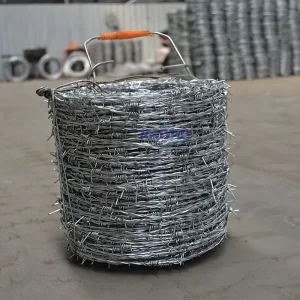
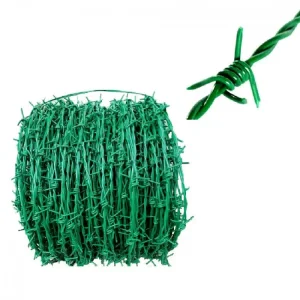
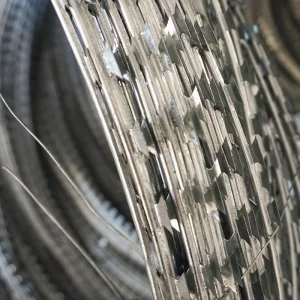
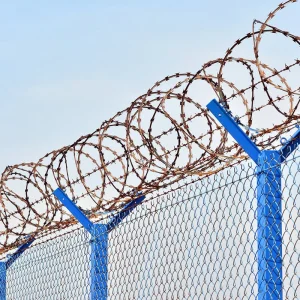
Anti-climb razor wire installations and high-tensile fences. Designed to resist cutting tools and provide a reliable physical barrier for high-security areas.

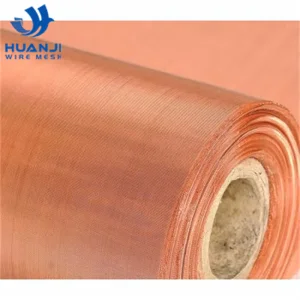
Dongguan Reivanta Mesh Co., Ltd. is a professional China wire mesh supplier specializing in industrial filtration mesh, copper mesh, and security fencing products. Located in Dongguan, a major manufacturing hub, the company is dedicated to providing high-quality metal mesh solutions for global industrial, commercial, and infrastructure applications.
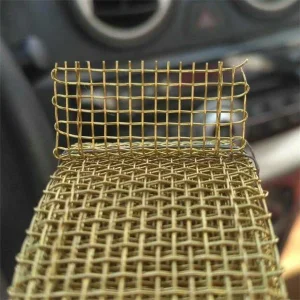
Reivanta offers a diverse product range including stainless steel filtration mesh for precision separation, copper and alloy mesh for electrical and decorative uses, and durable barbed wire and fencing systems for security protection. With advanced weaving, welding, and surface treatment technologies, the company ensures consistent quality, corrosion resistance, and long service life across all products.
Development History :
Founded in 2012, Reivanta began as a small workshop focusing on basic wire mesh processing for local industries. By 2016, the company expanded its production capabilities and entered international markets, supplying customized filtration mesh solutions. In 2019, Reivanta introduced automated production lines and enhanced R&D capacity, enabling high-precision and large-scale manufacturing. By 2023, the company had established a comprehensive product system covering industrial filtration, decorative mesh, and security fencing. Today, Reivanta continues to grow as a trusted global supplier, committed to innovation and customer satisfaction, striving to deliver reliable, cost-effective, and customized wire mesh solutions worldwide.
The global wire mesh manufacturing industry is undergoing a significant transformation driven by automation, material science, and carbon-reduction initiatives. The adoption of Industry 4.0 standards is changing traditional production lines. Automated manufacturing setups integrated with real-time machine vision inspect weld points instantly, checking for structural integrity and dimensional accuracy. This automated testing reduces defects, ensuring consistent quality even during high-speed production runs.
At the same time, material sustainability has become a key priority for major infrastructure projects. Developers are increasingly selecting wire networks with lower carbon footprints. This shift has led to the adoption of green steel and more durable coatings, such as zinc-aluminum alloys (Galfan), which offer up to three times the corrosion resistance of standard hot-dip galvanization. Additionally, research into high-entropy alloys and advanced surface treatments is expanding the performance boundaries of wire mesh. These innovations allow the materials to withstand highly acidic environments, deep-sea installations, and ultra-high-temperature processing conditions.
 Reivanta Mesh