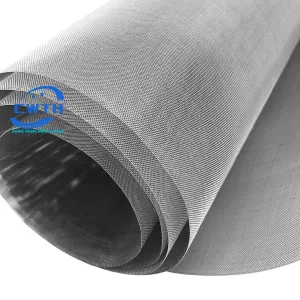
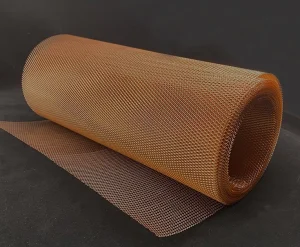
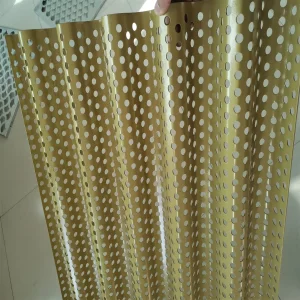
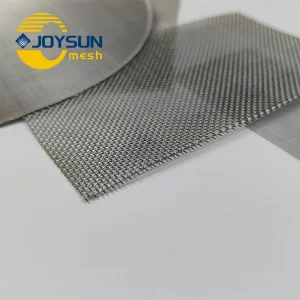
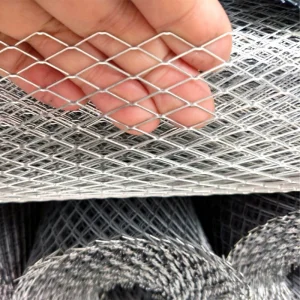
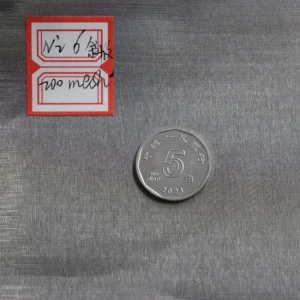
Explore our top-tier industrial mesh filters, printing screens, and specialized metallic weaves configured for heavy-duty manufacturing applications.
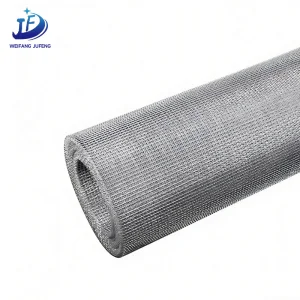
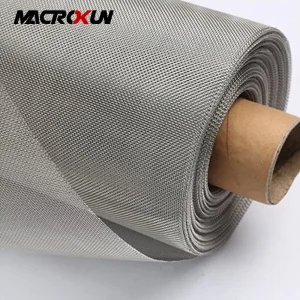
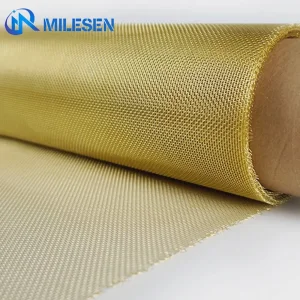
Industrial conveyor applications require exceptional durability and precision tracking. Wire mesh conveyor belts act as the structural backbone for sectors ranging from thermal treatment to micro-electronic component processing. Understanding the nuances of design classification, material degradation limits, and mechanical kinetics is paramount for procurement directors looking to optimize total cost of ownership (TCO) and avoid line stoppages.
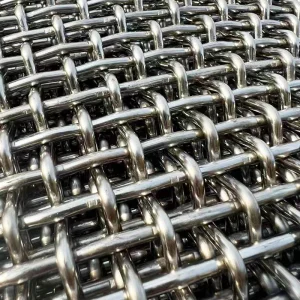
Unlike elastomeric or PVC belting, metal wire mesh structures provide an open area percentage that can be customized from 0% to over 85%. This makes them ideal for applications requiring heat dissipation, fluid draining, gas circulation, or sanitary washing. Choosing the correct weave style directly impacts tensile load margins, thermal expansion rate, and mechanical tracking efficiency.
These values define the operational envelope of precision conveyor lines. Working outside these boundaries causes rapid material fatigue.
| Alloy Standard | Temp Limit (°C) | Corrosion Index | Primary Industry |
|---|---|---|---|
| AISI 304 | 400°C | Moderate | Food, Packaging |
| AISI 316 / 316L | 550°C | High | Chemical, Marine |
| AISI 314 | 1150°C | Excellent | Furnace Sintering |
| Inconel 601 | 1250°C | Extreme | Aerospace Alloys |
Procuring heavy-duty metal mesh belting from the top global tier demands a thorough understanding of supplier capabilities. Top global manufacturers are evaluated based on material supply integrity, precision tolerance capabilities, structural wire drawing technologies, and custom layout engineering options.
Traditional suppliers in Western Europe and North America offer high-precision engineered solutions tailored for high-temperature and highly demanding cleanroom applications. However, they carry premium pricing structures and longer lead times for custom layouts.
Producers in East Asian hubs leverage advanced regional metal production networks. They combine competitive pricing models with modern high-speed weaving automation, offering rapid global delivery and scaling options for massive industrial setups.
Agile manufacturers focus on tailoring mesh opening spaces, wire diameters, edge configurations (welded, knuckled, or chained), and flights. They deliver specialized, performance-driven conveyor setups for challenging layouts.
Evaluating a supplier requires checking key quality parameters: raw wire drawing methods, welding consistency (plasma vs. laser vs. resistance), chemical pickling standards to clear out scale, and dynamic load testing protocols. These metrics separate run-of-the-mill wire nets from highly reliable, long-life conveyor systems.
Over the last twenty years, Chinese manufacturers have shifted from producing simple, low-cost wire mesh to developing complex, high-precision industrial metal conveyor belts. This shift is driven by deep regional specialization, continuous upgrades in manufacturing technology, and robust supply chain integration.
Chinese factories leverage massive regional production hubs where raw iron ore refinement, alloy formulation, wire drawing, automated weaving, and logistics are co-located. This proximity drastically cuts transport delays and handling costs, allowing rapid customization, quick tooling changes, and fast prototyping.
By coordinating upstream wire drawing plants with downstream conveyor assembly operations, Chinese producers can cut production lead times by up to 40% compared to Western competitors. Modern quality control procedures—including positive material identification (PMI) and electronic tensile testing—ensure these belts comply with international ISO and FDA food safety standards.
Dongguan Reivanta Mesh Co., Ltd. is a professional China wire mesh supplier specializing in industrial filtration mesh, copper mesh, and security fencing products. Located in Dongguan, a major manufacturing hub, the company is dedicated to providing high-quality metal mesh solutions for global industrial, commercial, and infrastructure applications.
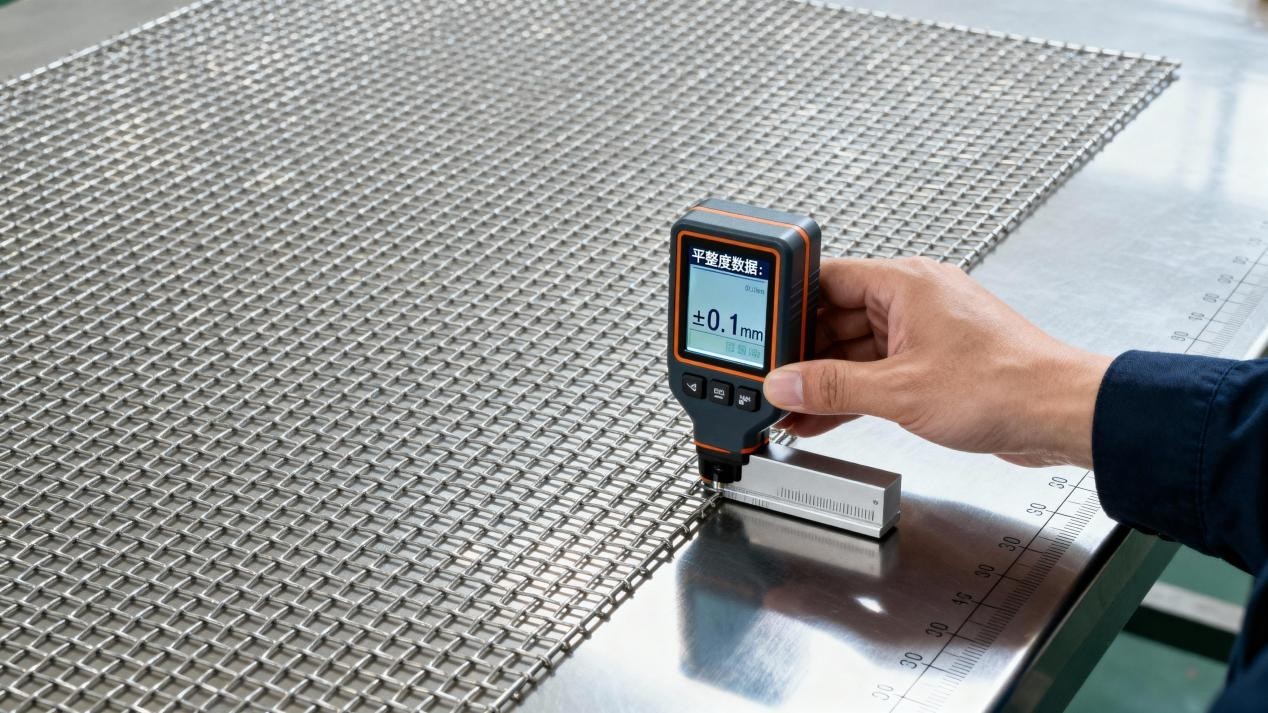
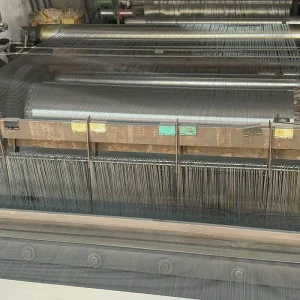
Fig 1: Reivanta's industrial production and automated wire preparation division.
Reivanta offers a diverse product range including stainless steel filtration mesh for precision separation, copper and alloy mesh for electrical and decorative uses, and durable barbed wire and fencing systems for security protection. With advanced weaving, welding, and surface treatment technologies, the company ensures consistent quality, corrosion resistance, and long service life across all products.
Committed to innovation and customer satisfaction, Dongguan Reivanta Mesh Co., Ltd. strives to deliver reliable, cost-effective, and customized wire mesh solutions worldwide.
Founded as a specialized local workshop in Dongguan, focusing on basic wire mesh processing for regional industrial clients.
Expanded manufacturing capabilities to enter international markets, supplying custom filtration mesh systems for global buyers.
Upgraded to automated production lines and improved R&D setups, enabling high-precision, large-scale manufacturing of technical meshes.
Established a comprehensive global catalog spanning advanced industrial filtration, decorative mesh, and heavy-duty security systems.

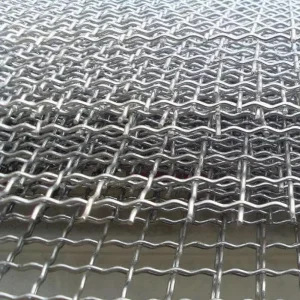
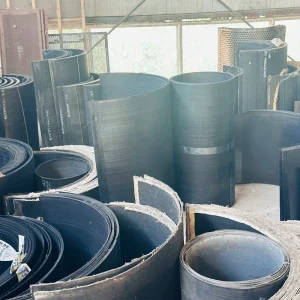
Fig 2: Reivanta's quality inspection and precision wire drawing facility.
Wire mesh conveyor belts are vital components in modern automated systems, handling challenging environmental factors like extreme temperatures, abrasive cleanings, chemical exposure, and strict hygiene requirements.
In food processing, belts must handle extreme cold during blast freezing and high heat during baking, while remaining easy to clean to prevent bacterial growth. Stainless steel mesh (AISI 304 and 316) meets these requirements, offering corrosion resistance, flat transport surfaces, and open areas that allow efficient air circulation and easy cleaning.
For high-temperature applications like sintering and heat treating, conveyor belts must withstand continuous temperatures above 1000°C without excessive stretching or scaling. Specialized alloys with high chromium and nickel content (e.g., AISI 314, Inconel 601) are chosen to minimize thermal fatigue and maintain belt stability.
Electronic manufacturing processes like wave soldering and component washings require clean, static-free transport. Conductive metal mesh belts provide a stable grounding path, protect components from static damage, and stand up to cleaning solvents and high baking temperatures.
For chemical processing, chemical pickling lines, and marine environments, utilizing molybdenum-stabilized alloys (like AISI 316L) is key. The addition of molybdenum prevents pitting and crevice corrosion in chloride-rich environments, extending the operational life of the conveyor system.
Procuring industrial-grade metal mesh belts involves evaluating key design details to ensure performance. Using this checklist helps sourcing directors align specifications with application demands, reducing the risk of premature belt wear or system downtime.
Most conveyor belt failures stem from tracking errors rather than material wear. Buying belts with alternating left- and right-hand spirals helps balance belt travel, ensuring straight runs. For applications with uneven loading, choosing side-chain drives helps lock the belt path in place.
As global industries prioritize efficiency and sustainability, metal wire mesh technology is evolving to meet these demands through design and material innovations.
Modern design techniques allow for thinner wire diameters and optimized shapes without losing strength. This reduces the belt's mass, lowering energy use during startup and thermal processing cycles.
Applying physical vapor deposition (PVD) or specialized ceramic coatings helps prevent oxidation at high temperatures and reduces adhesive wear, extending belt life in tough conditions.
Integrating sensors along the conveyor path helps monitor belt tension, wear patterns, and temperature profiles in real time, allowing for predictive maintenance and reducing unexpected downtime.
A1: Selecting the weave style depends on the size and weight of the product, the operating temperature, and the path of the conveyor. Balanced weaves work well for general packaging and medium loads. Compound balanced weaves are suited for small parts, while chain-driven styles are preferred for heavy-duty loads, long runs, or inclined paths.
A2: Stainless steel 304 provides good corrosion resistance and strength at a cost-effective price point. Grade 316 contains molybdenum, which significantly improves resistance to chlorides, industrial acids, and pitting, making it the preferred choice for chemical, marine, and food applications.
A3: Tracking issues are typically caused by uneven belt tension, misaligned drive drums, uneven loading, or using a belt weave that lacks alternating left- and right-hand spirals to balance natural drift.
A4: High-temperature belts are made from alloys like AISI 314 or Inconel, which resist creep and oxidation. The conveyor system should also include tension take-up devices to absorb the natural thermal expansion that occurs during heat cycles.
A5: Flat-wire and specialized mesh belts typically require matching sprockets or lagged pulleys to ensure proper engagement, prevent slippage, and minimize wear on the belt links.
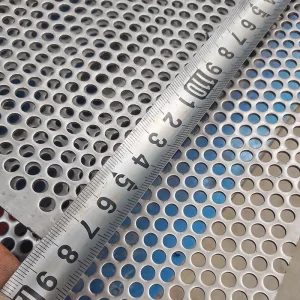
Industrial materials designed for agricultural sorting, building facades, and high-performance gas/liquid filtration systems.
 Reivanta Mesh