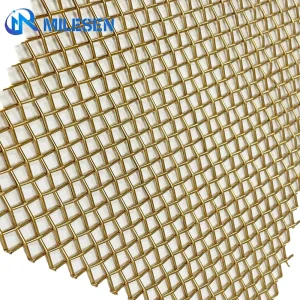
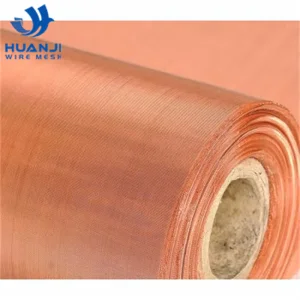
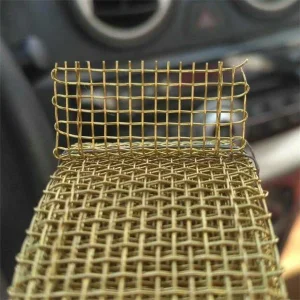
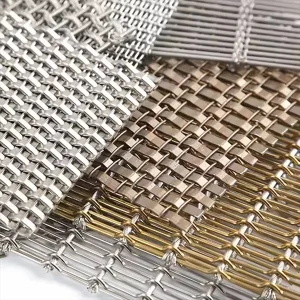
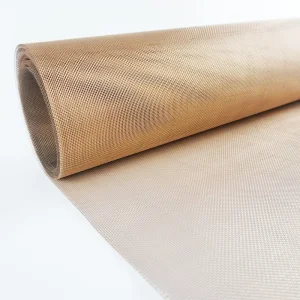
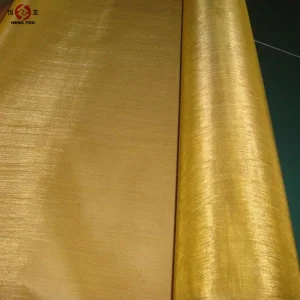
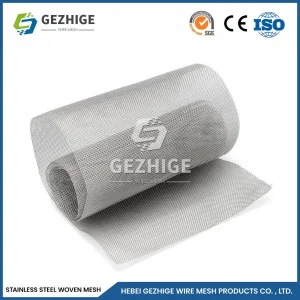
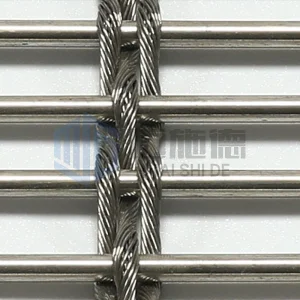
Heavy-duty wire configurations engineered to resist marine biofouling and highly corrosive offshore environments.
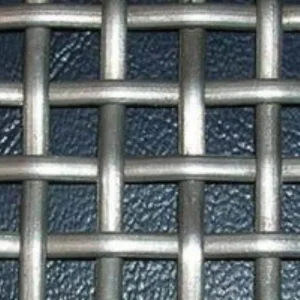
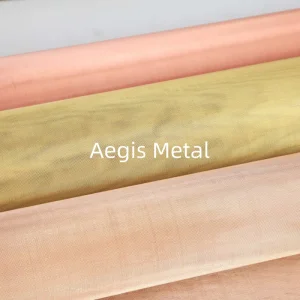
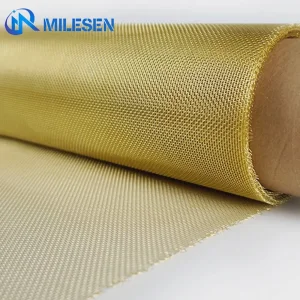
An analytical overview of structural demand drivers in Central Africa's oil-rich maritime economic zone.
Equatorial Guinea, located in the heart of the Gulf of Guinea, stands as a critical petrochemical and logistics hub in Central Africa. With major offshore oil and natural gas projects concentrated around Bioko Island (Malabo) and the mainland coast (Bata), industrial components must be engineered to endure extreme environmental stress. Among these components, brass wire mesh plays a key, yet often understated, role in ensuring processing efficiency, mechanical integrity, and corrosion protection.
The local maritime climate is characterized by exceptionally high relative humidity (frequently exceeding 90%) and constant exposure to high-salinity marine aerosols. Under these conditions, standard ferrous metals undergo rapid galvanic corrosion, leading to premature structural failure and costly unscheduled downtime. Brass, a solid-solution alloy primarily composed of copper and zinc, provides a vital material solution. Its native resistance to atmospheric corrosion and biofouling makes it the material of choice for offshore platforms, ship building, and refining terminals at Punta Europa.
The controlled dissolution of copper ions prevents micro-organism adhesion, making it ideal for subsea intakes and filtration units in the Gulf of Guinea.
Crucial for hazardous petrochemical zones in Punta Europa, preventing frictional spark hazards in hydrogen-rich gas filtration environments.
Resists the intense tropical humidity of Ciudad de la Paz and Malabo, offering both aesthetic prestige and functional shade facade ventilation.
As the government of Equatorial Guinea drives the "Horizonte 2035" economic diversification strategy, downstream processing and local industrialization projects are expanding. This shift has accelerated the demand for high-specification woven wire meshes. B2B procurement officers now look past basic carbon steel, seeking customized brass and bronze alloy profiles that deliver a lower Total Cost of Ownership (TCO) through extended service lives.
An in-depth look at alloy chemistry and physical performance under extreme maritime conditions.
The choice of wire mesh alloy for West African industrial applications requires a balance of tensile strength, chemical stability, and cost. While stainless steel is often standard in dry industrial contexts, brass (copper-zinc alloy) and bronze (copper-tin alloy) provide unique properties essential for wet coastal environments.
First, the copper content within brass acts as a natural biocide. Marine organisms such as algae, barnacles, and mollusks cannot easily colonize the surface of brass mesh because of the oligodynamic effect of copper ions. In contrast, stainless steel mesh quickly suffers from bio-colonization, which leads to biofouling, restricted fluid flow, and localized crevice corrosion.
| Alloy Classification | Copper (Cu) % | Zinc (Zn) % | Key Properties | Best Applied In (Equatorial Guinea) |
|---|---|---|---|---|
| C26000 (Cartridge Brass) | 70.0% | 30.0% | Maximum ductility, high tensile strength, excellent formability | Petroleum fluid separation, fine mesh fuel filters |
| C27000 (Yellow Brass) | 65.0% | 35.0% | Optimized corrosion resistance, excellent wear properties | Coarse sand filtration, municipal water screening |
| C23000 (Red Brass) | 85.0% | 15.0% | Exceptional resistance to dezincification, rich gold aesthetic | High-salinity maritime intakes, architectural facade panels |
| C51000 (Phosphor Bronze) | 95.0% (with Tin) | Trace P | Extreme fatigue life, high elasticity and abrasion resistance | Vibrating mud shakers, heavy industrial screening |
Furthermore, brass wire mesh maintains high mechanical performance at lower temperatures and does not undergo the ductile-to-brittle transition common in low-carbon steel. This makes it highly reliable for high-pressure gas extraction pipelines in off-shore fields like Alba and Alen, where drop in temperature can stress fluid filtration assemblies.
Ensuring complete raw materials coverage for industrial sieving, mining, and architectural engineering.
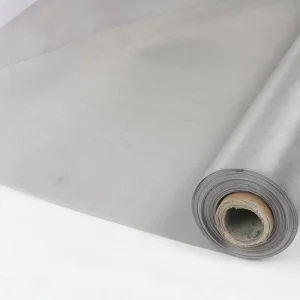
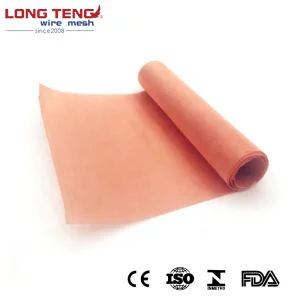
Ensuring seamless transit, customs clearance, and adherence to international B2B regulations.
Procuring metal mesh from global hubs like Dongguan, China, and shipping to destinations like Malabo or Bata requires strict compliance with Central African Economic and Monetary Community (CEMAC) regulations. Buyers must ensure that all imports are cleared through the Equatorial Guinea Customs Authority with minimal disruption.
Key documentation is essential to prevent delays at the ports. This includes the *Certificat de Conformité* (Certificate of Conformity), detailed commercial invoices showing precise Harmonized System (HS) codes (such as 7419.80 for brass wire products), packing lists detailing net weight, and bills of lading. Working with a supplier that understands these specific regulatory steps is crucial.
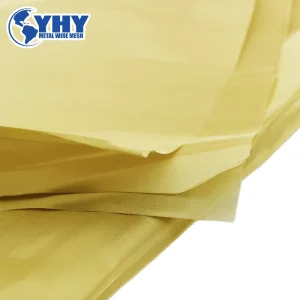
To prevent rust and oxidation during ocean shipping, our export packaging includes several layers of protection. We wrap the wire mesh in moisture-proof VCI (Volatile Corrosion Inhibitor) paper, seal it inside heavy-duty polythene bags, and pack it in robust ISPM-15 certified wooden crates. This process prevents salt mist from corroding the alloy during its maritime journey through key shipping lanes, such as from the Port of Shenzhen or Guangzhou to the Port of Malabo.
Dongguan Reivanta Mesh Co., Ltd. is a professional China wire mesh supplier specializing in industrial filtration mesh, copper mesh, and security fencing products. Located in Dongguan, a major manufacturing hub, the company is dedicated to providing high-quality metal mesh solutions for global industrial, commercial, and infrastructure applications.
Reivanta offers a diverse product range including stainless steel filtration mesh for precision separation, copper and alloy mesh for electrical and decorative uses, and durable barbed wire and fencing systems for security protection. With advanced weaving, welding, and surface treatment technologies, the company ensures consistent quality, corrosion resistance, and long service life across all products.

Development History:
Founded in 2012, Reivanta began as a small workshop focusing on basic wire mesh processing for local industries. By 2016, the company expanded its production capabilities and entered international markets, supplying customized filtration mesh solutions. In 2019, Reivanta introduced automated production lines and enhanced R&D capacity, enabling high-precision and large-scale manufacturing. By 2023, the company had established a comprehensive product system covering industrial filtration, decorative mesh, and security fencing. Today, Reivanta continues to grow as a trusted global supplier.
Committed to innovation and customer satisfaction, Dongguan Reivanta Mesh Co., Ltd. strives to deliver reliable, cost-effective, and customized wire mesh solutions worldwide.
How industry automation and material treatments are shaping future mesh reliability.
As chemical processing and deepwater oil extraction become more demanding, the physical limits of brass wire mesh are continually tested. At Reivanta, our development roadmap addresses these challenges through advanced manufacturing technologies.
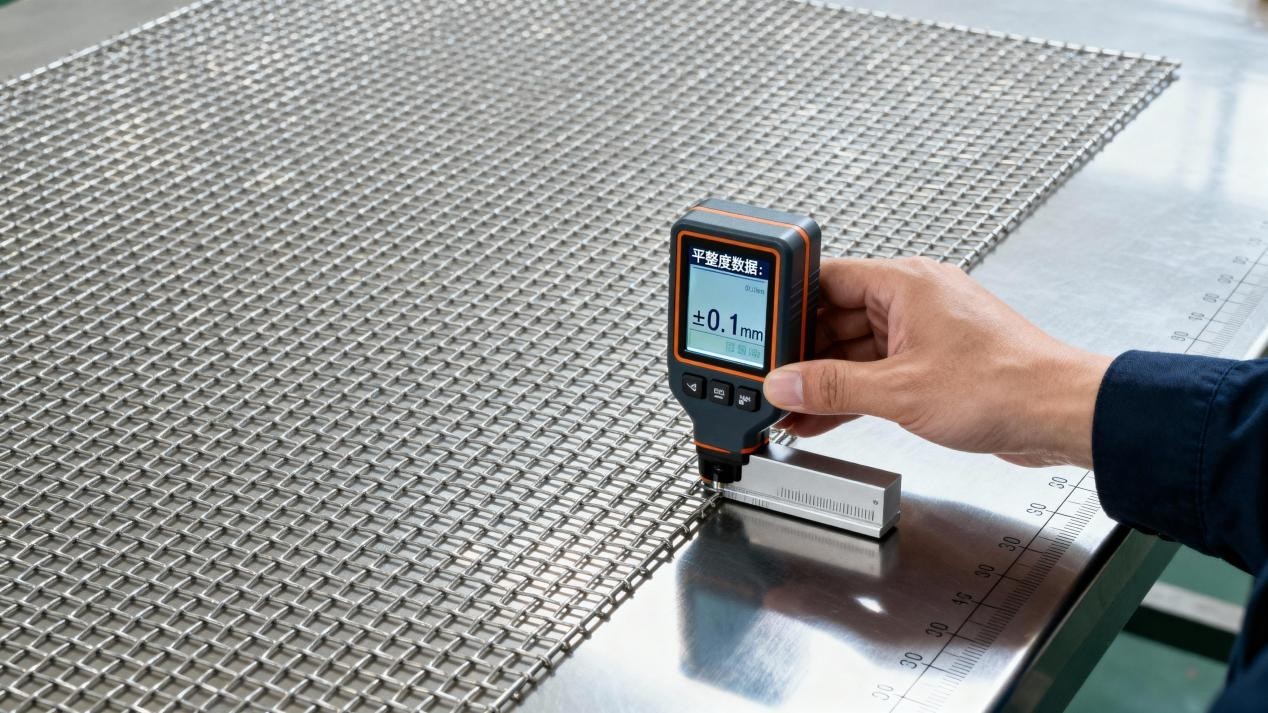
A key focus area is the integration of high-precision automated weaving looms equipped with real-time laser monitoring systems. These sensors check wire tension and spacing during production, keeping aperture tolerances within ±3%. This level of precision is essential for delicate petrochemical separation processes, where even minor defects can cause drop in pressure or bypass of particulate matter.
Additionally, we are developing advanced chromium-free passivation and nano-scale thin film coatings. These eco-friendly surface treatments form a barrier against sulfide stress corrosion cracking, extending the service life of brass wire mesh in sour crude oil refineries. By selecting these advanced alloy options, companies operating in Equatorial Guinea can reduce maintenance shutdowns and run operations more cost-effectively.
Expert technical answers to common engineering and procurement questions.
A complete selection of brass wire meshes available for import and distribution in West Africa.
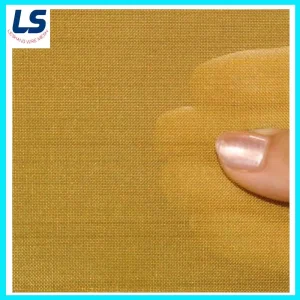
 Reivanta Mesh