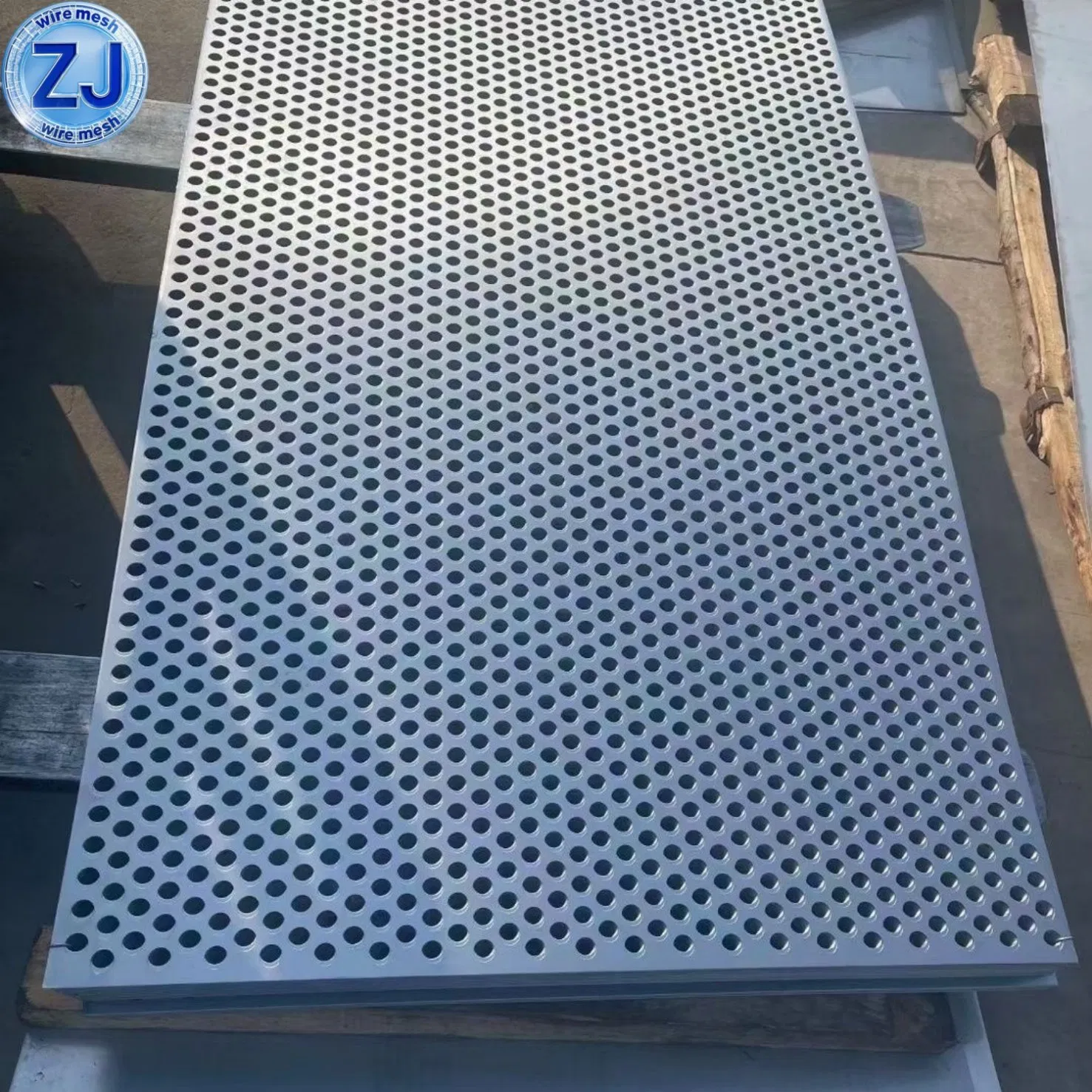
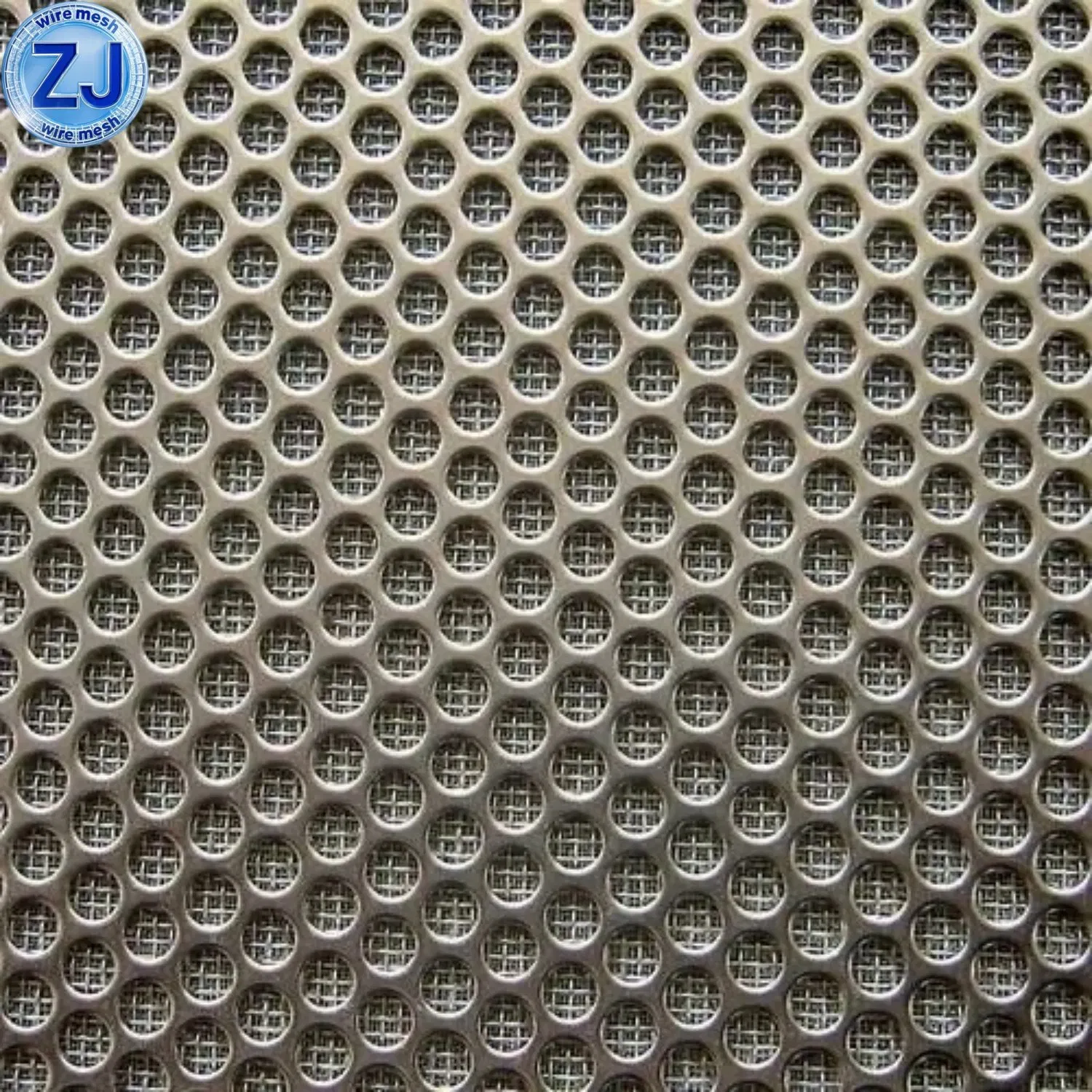
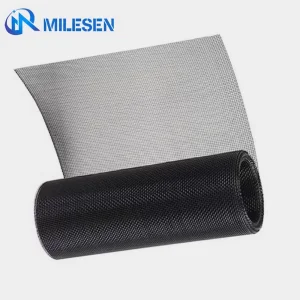
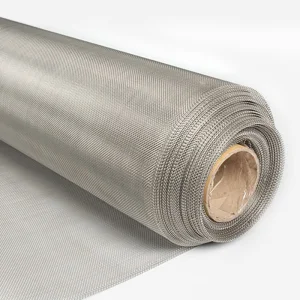
High Filtration Precision Sintered Perforated Mesh

Still deciding? Get samples of $ !
Request Sample

Product Description

  • Overview
  • Description
  • Advantages
  • Specification
  • Product Show
  • Applications
  • Packaging
📊

Basic Info.

Model NO.ZJ-CK
UsageProtection, Aquaculture, Water Conservancy Construction, Civil Building, Railway Construction, Road Construction, Ceiling, Wall Cladding, Decoration, Filter, etc
ApplicationConstruction Wire Mesh, Protecting Mesh, Decorative Mesh, Filter, Sieving Diversified Pellet
MaterialSteel, Galvanized Steel, PVC Coated, Aluminum, etc
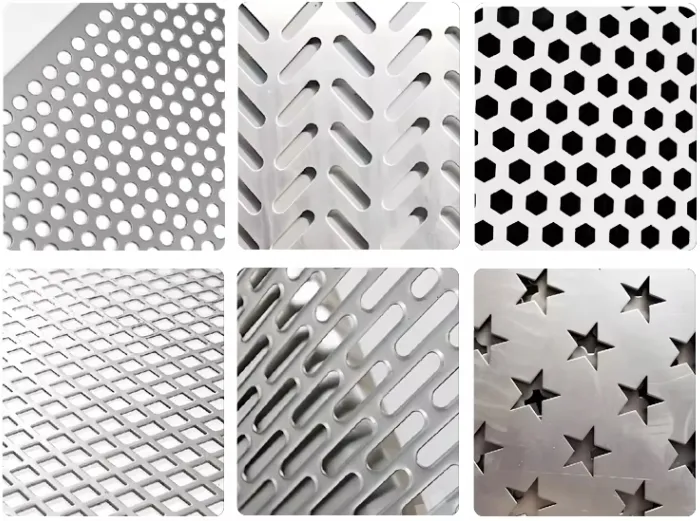
Hole ShapeRound, Diamond, Square, Hexagonal, etc
Thickness0.5mm ~ 12mm
ColorAll Kinds of
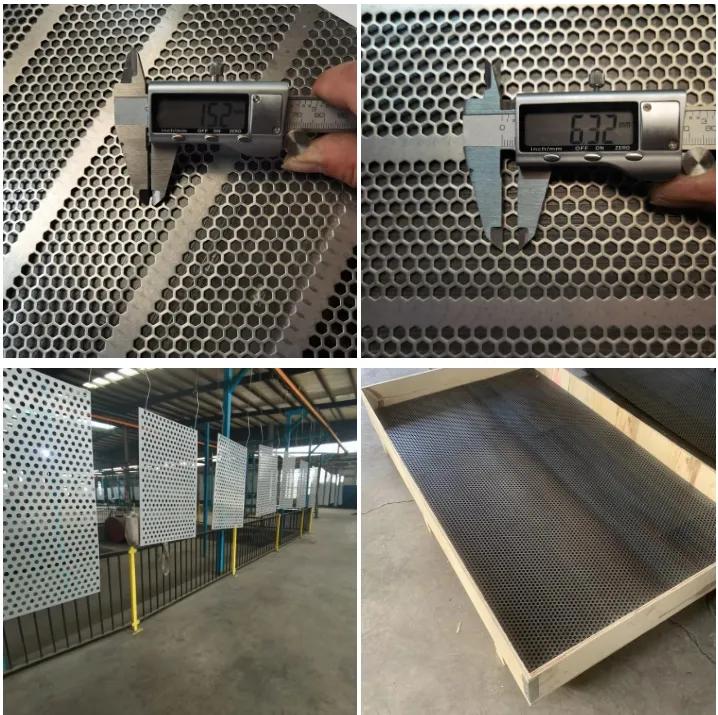
Hole Size0.5mm, 0.8mm, 1mm, 1.2mm, 1.5mm, 2mm, etc
Width1m, 1.2m, 1.22m, 1.5m, 2m, etc
HS Code731450000
Production Capacity50000 PCS/Year
📝

Product Description

Perforated Mesh
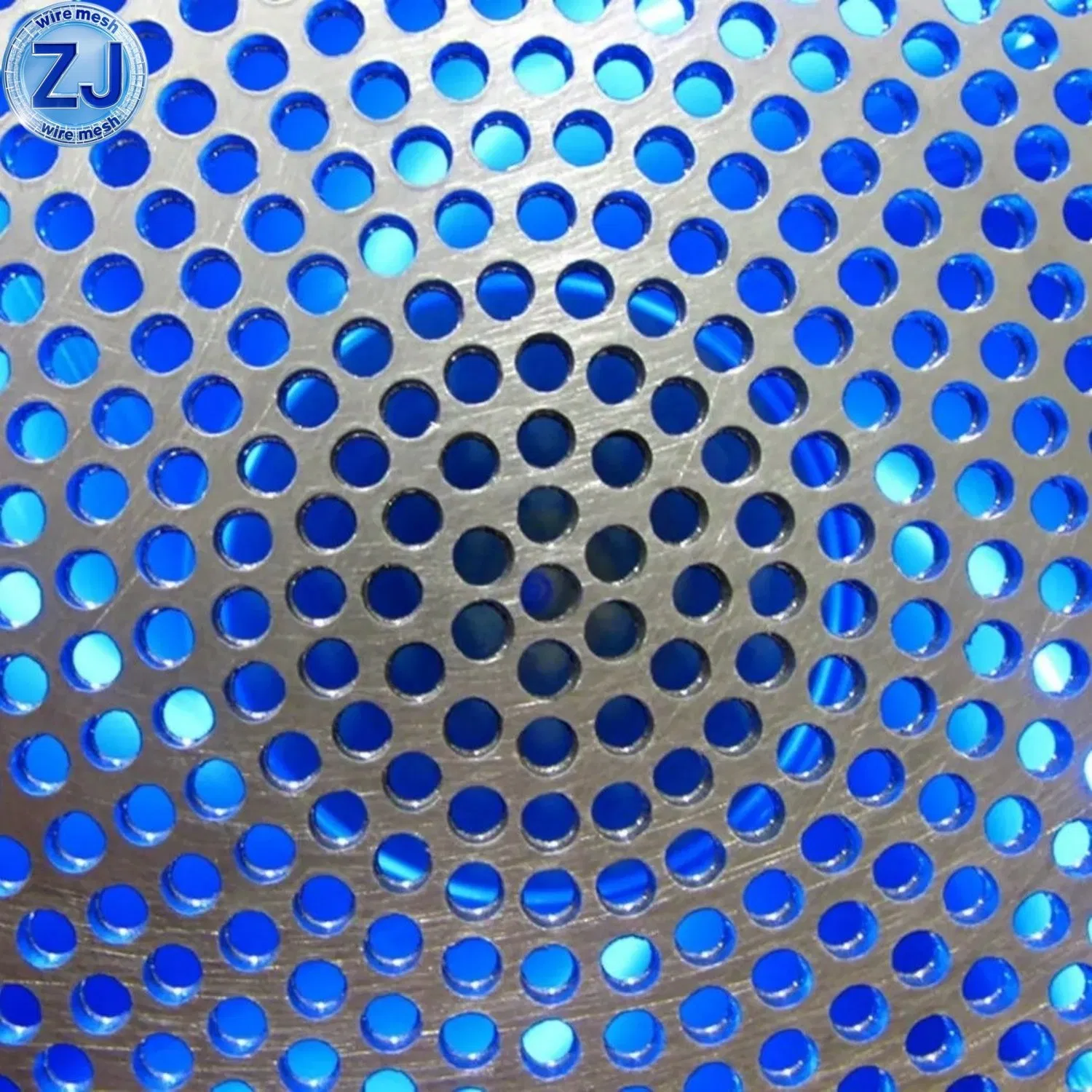
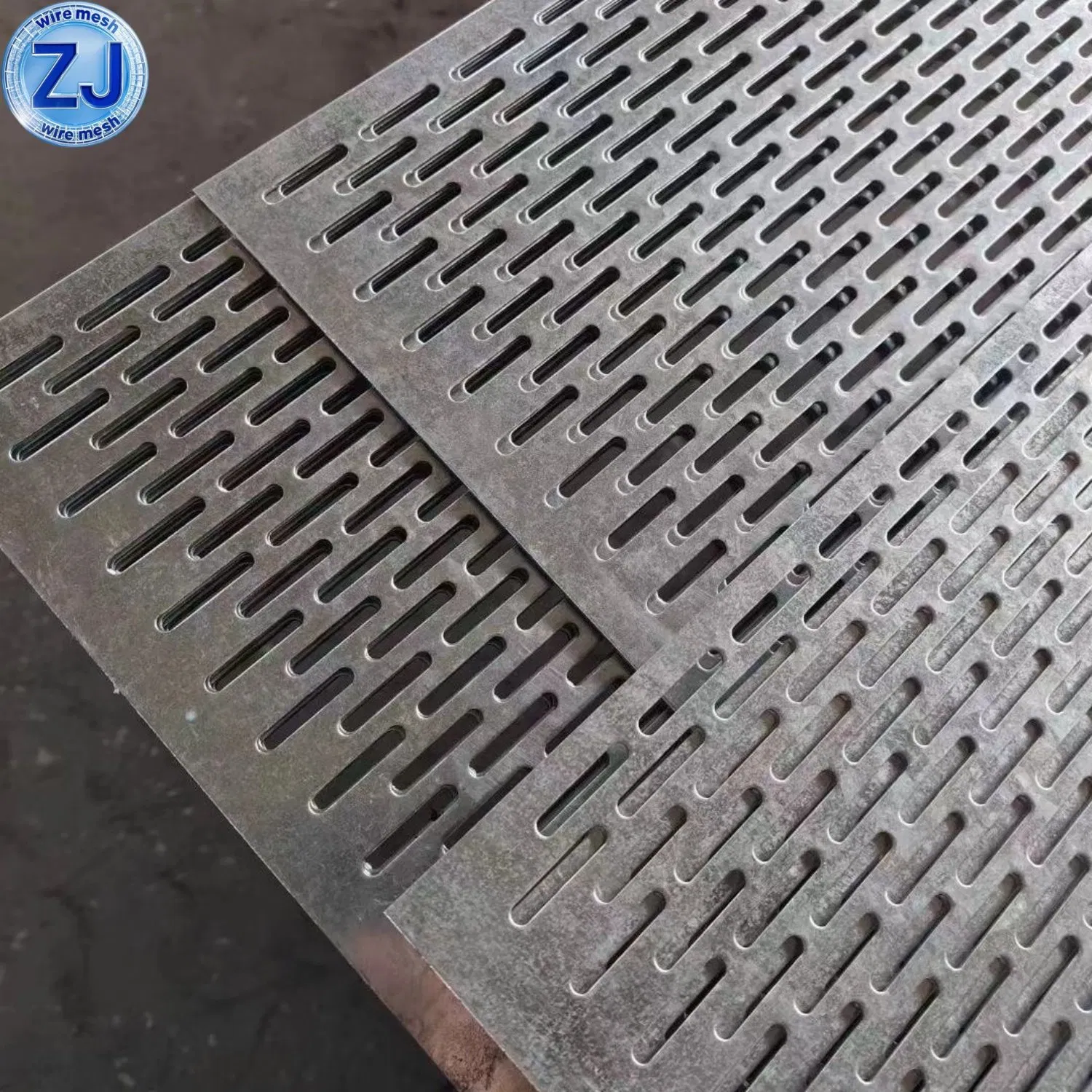
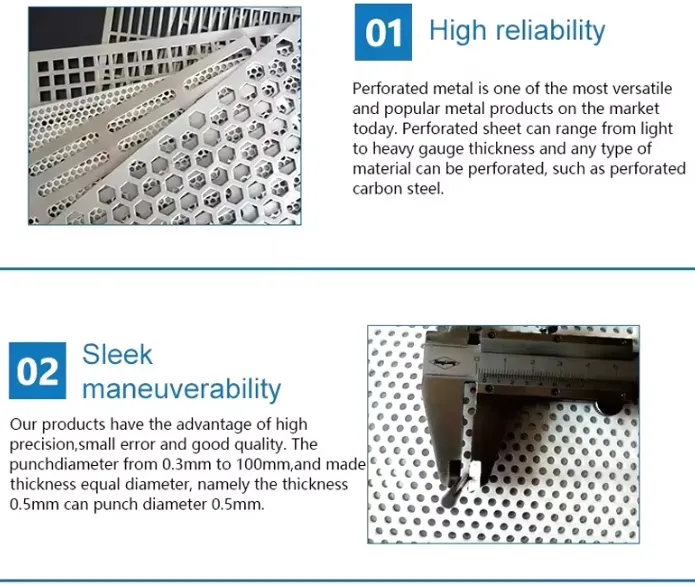
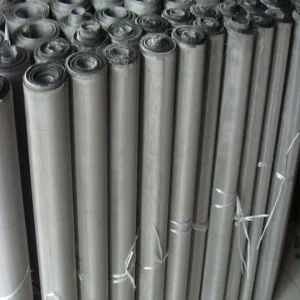
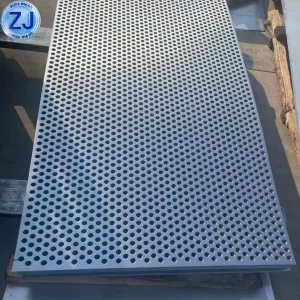
Perforated Metals are sheets of steel, aluminum, stainless steel or specialty alloys that are punched with round, square or ornamental holes in a uniform pattern. Popular sheet thickness ranges from 26 gauge through 1/4" plate. Common hole size range from 0.02'' to 1" and greater. Material choices normally include stainless steel (304, 316), Aluminum, or GI Sheet with PVC coating. Thickness ranges from 0.5-8MM, and the mesh can be packed by roll or by sheet.
Product NamePerforated metal mesh
MaterialAluminum plate, Low Carbon Steel, Stainless Steel (304, 304L, 316, 316L), nickel plate and various of nonmetal plate
Hole ShapeDiamond, Round, Square, Hexagon, customized
Size for panel1) Thickness: 0.2-20mm; 2) Hole Size: 0.5-200mm; 3) Length: 1.5-3m; 4) Width: 0.5-1.5m; 5) Perforated area: 7% to 83%
Surface treatmentGalvanized, PVC coated, etc.
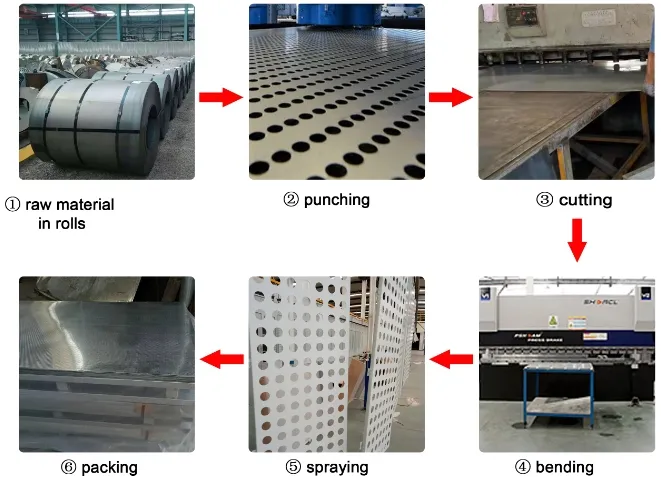
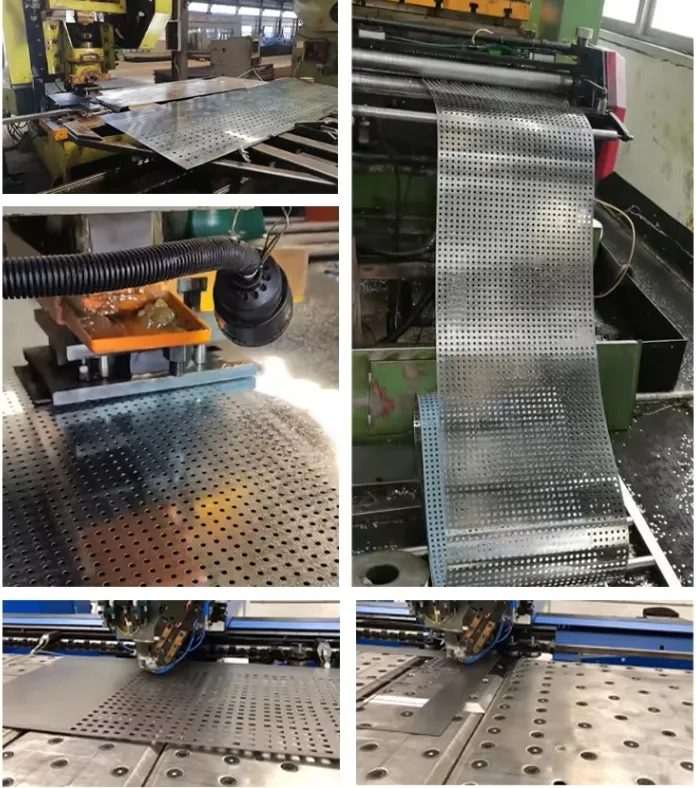
TechniquePerforated / Punching / Laser Cutting
🌟

Advantages

Our punching mesh uses high-quality raw materials such as stainless steel and galvanized PVC cold rolled rolls. Types include pattern punching, molding punching, micro punching, and laser cutting punching nets.

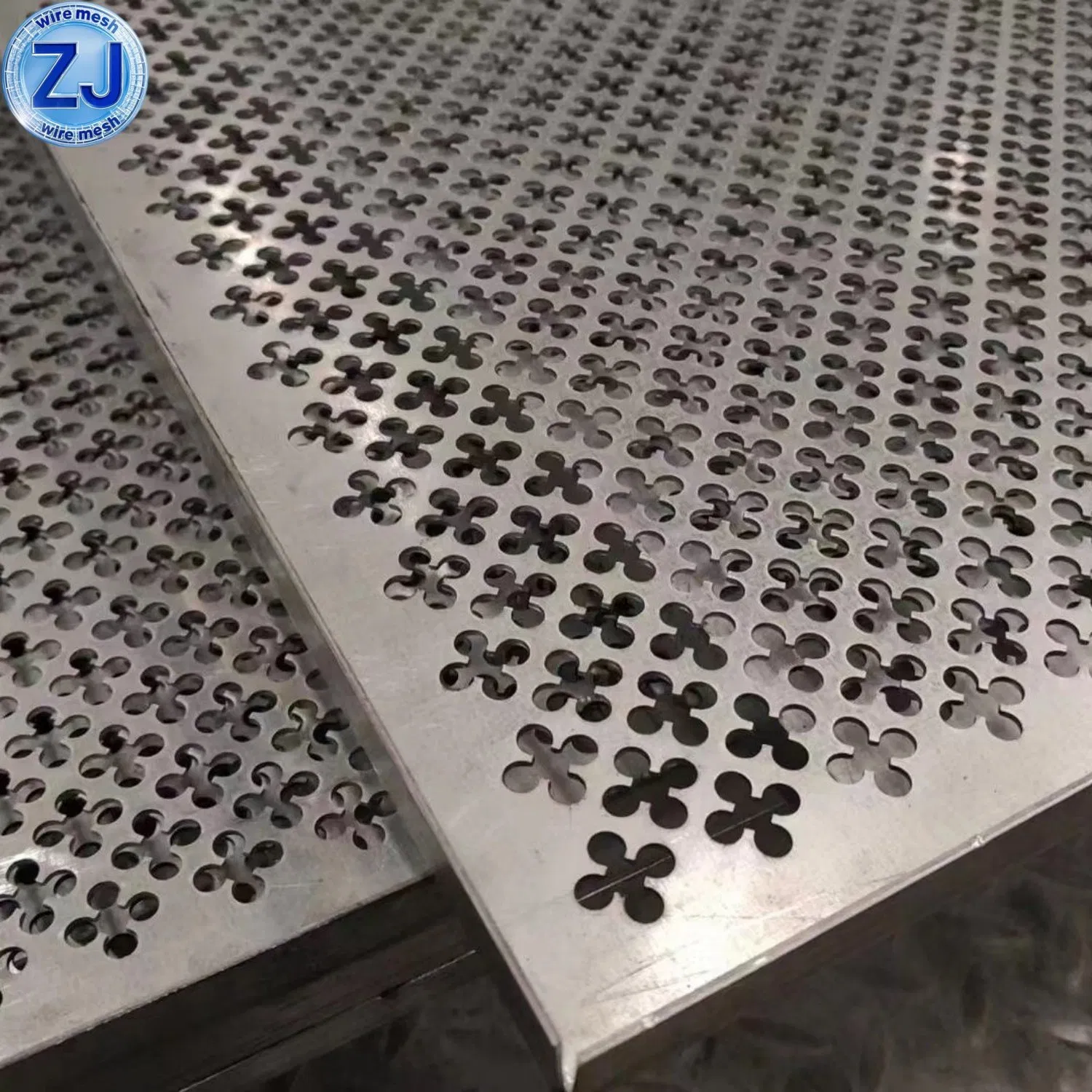
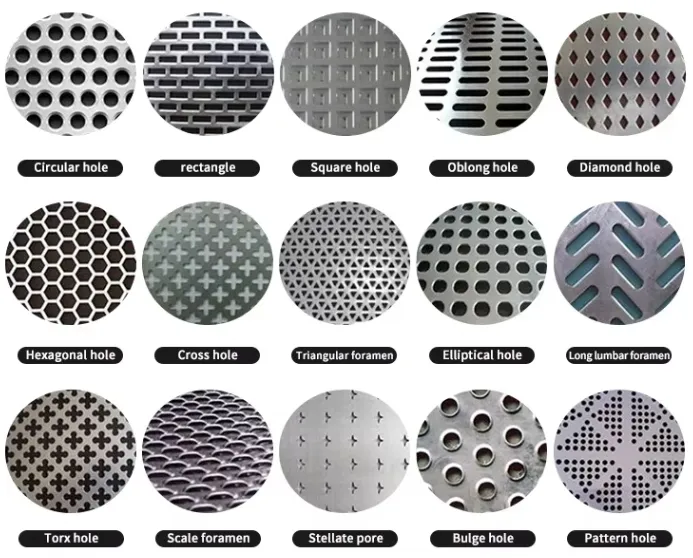
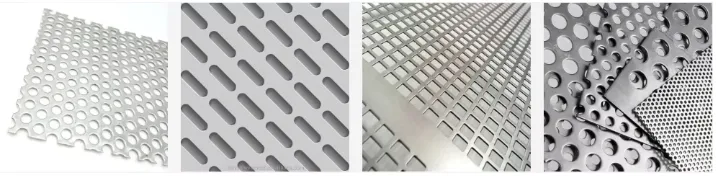
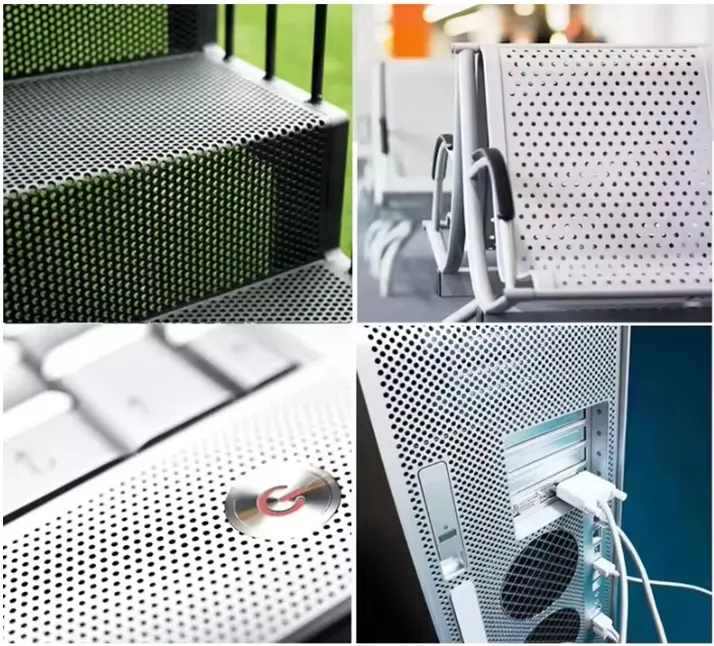
Hole Types: Rectangular, square, diamond, round, hexagonal, cross, triangle, long round, plum, fish scale, pentacle, and irregular patterns.
Advantages 1
Advantages 2
⚙️

Specification Details

The stainless steel material provides excellent anti-corrosion, heat-resistant, and anti-aging features. Aluminum material is characterized by being light weight, anti-corrosive, and having good conductivity.
Spec 1
Spec 2
🖼️

Product Show

Show 1
Show 2
Show 3
🏭

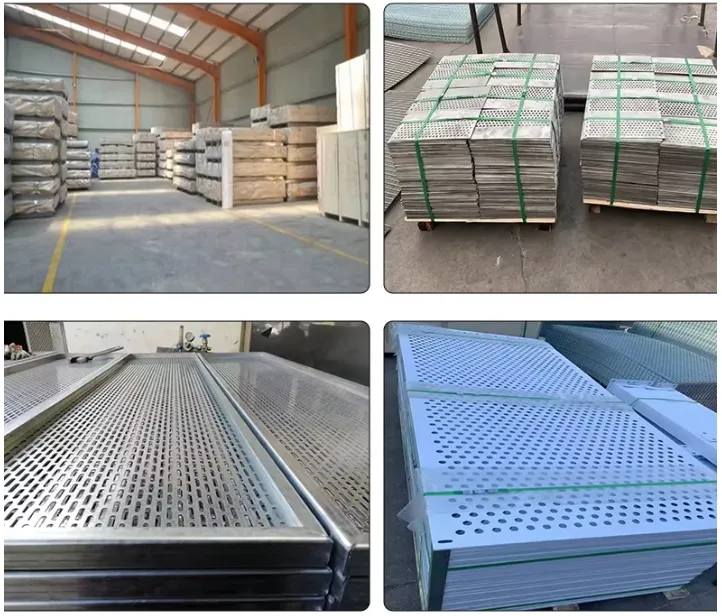
Processing & Workshop

Processing
Workshop 1
Workshop 2
🏗️

Application

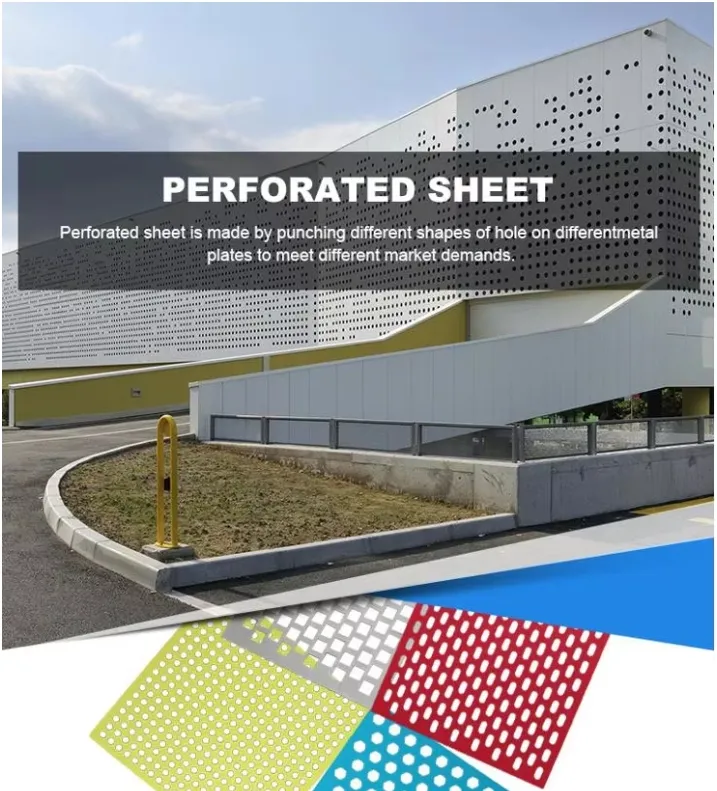
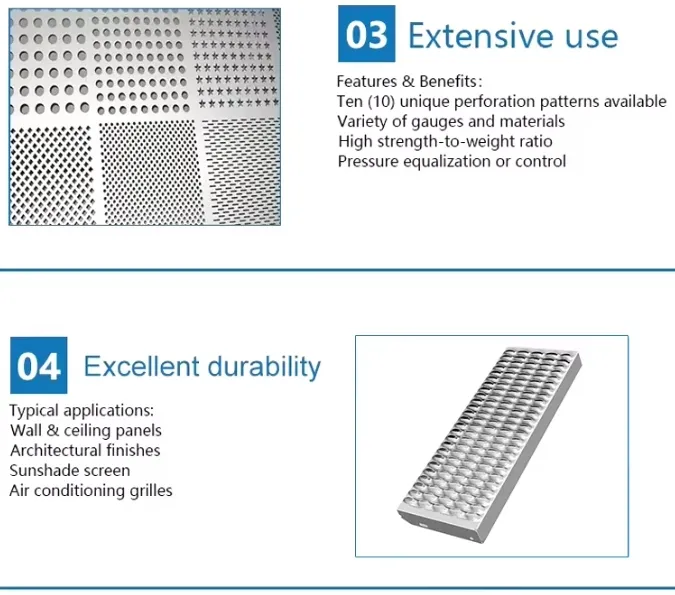
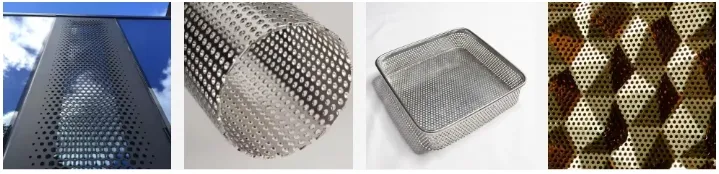
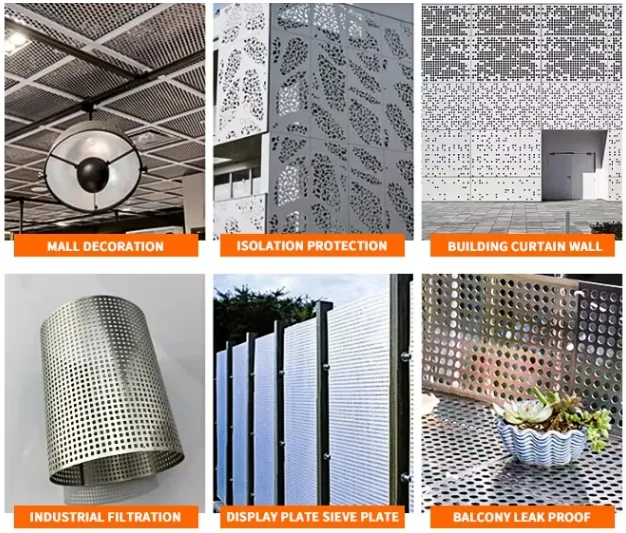
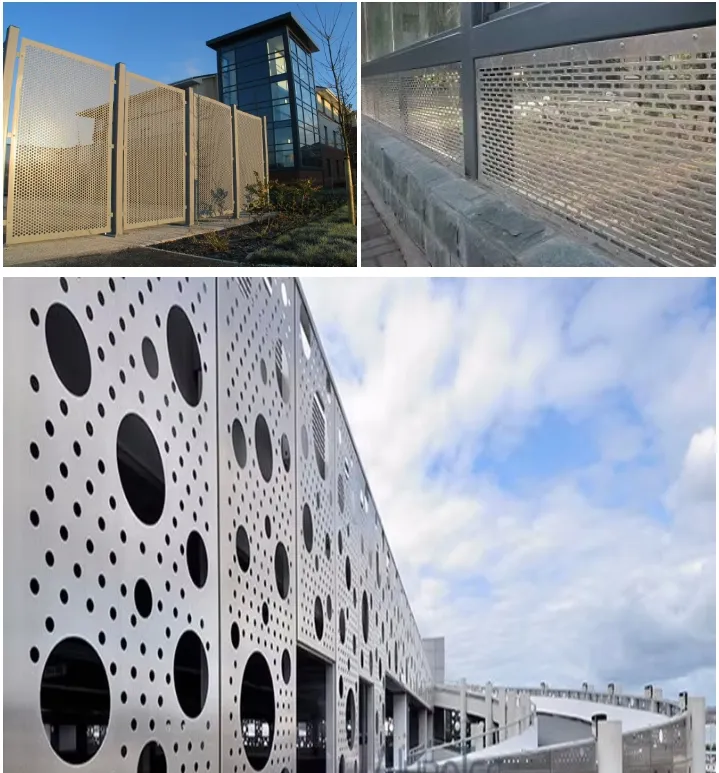
Perforated network can be used for highway, railway, subway and other transportation facilities for noise control barriers. It is also suitable for building walls, generator rooms, factory buildings, and sound absorption ceilings.
  • Architectural screens
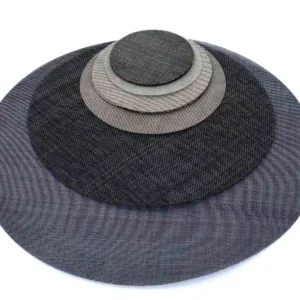
  • Filtration systems
  • Guard grills
  • Heavy mining machinery
  • Metal ceilings
  • Agricultural separation
Application 1
Application 2
Application 3
📦

Packaging & Shipping

Packaging 1
Packaging 2
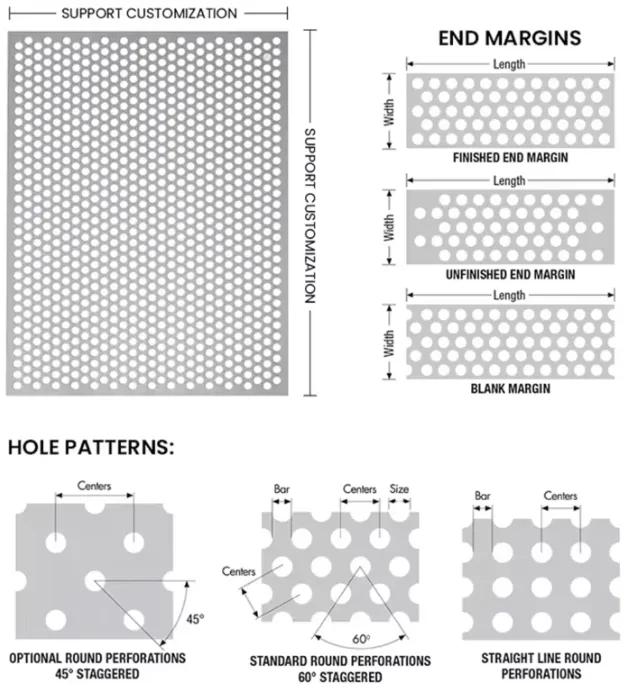
When ordering Perforated Sheets, please specify:
  1. Material type
  2. Thickness (gauge)
  3. Hole size & shape
  4. Spacing & configuration
  5. Sheet size & Quantity
We can customize it according to your application and needs!

Frequently Asked Questions

Q: What materials are available for perforated metal mesh?
We offer a variety of materials including Stainless Steel (304, 316), Aluminum, Low Carbon Steel, Galvanized Steel, and even non-metal plates.
Q: What hole shapes can be manufactured?
We provide standard shapes like round, square, diamond, and hexagonal, as well as decorative patterns like plum, cross, and fish scale holes.
Q: What are the thickness and size limits?
Sheet thickness typically ranges from 0.2mm to 20mm. Hole sizes can range from 0.5mm up to 200mm, with customizable panel lengths and widths.
Q: Can the surface be treated for better durability?
Yes, we offer several surface treatments including galvanizing and PVC coating to enhance corrosion resistance and aesthetic appeal.
Q: What are the main applications of these products?
They are widely used in noise control barriers, architectural decoration, filtration systems, mining machinery, and agricultural separation.
Q: How is the product typically packaged for shipping?
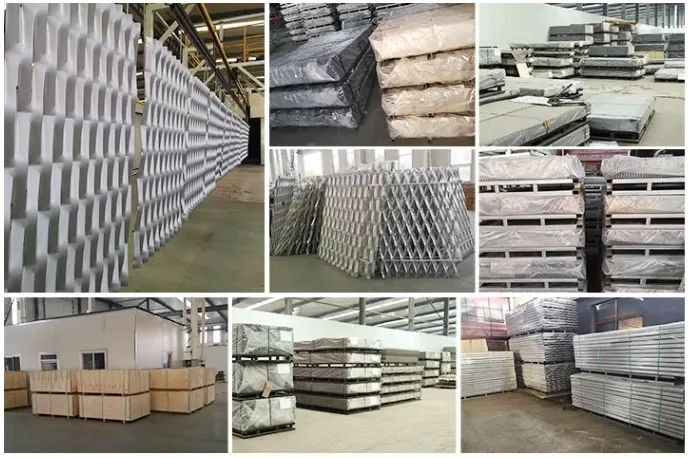
Products are usually packed on wooden pallets or metal trays, either in rolls or flat sheets, depending on the thickness and customer requirements.

Related Products