Industrial Applications
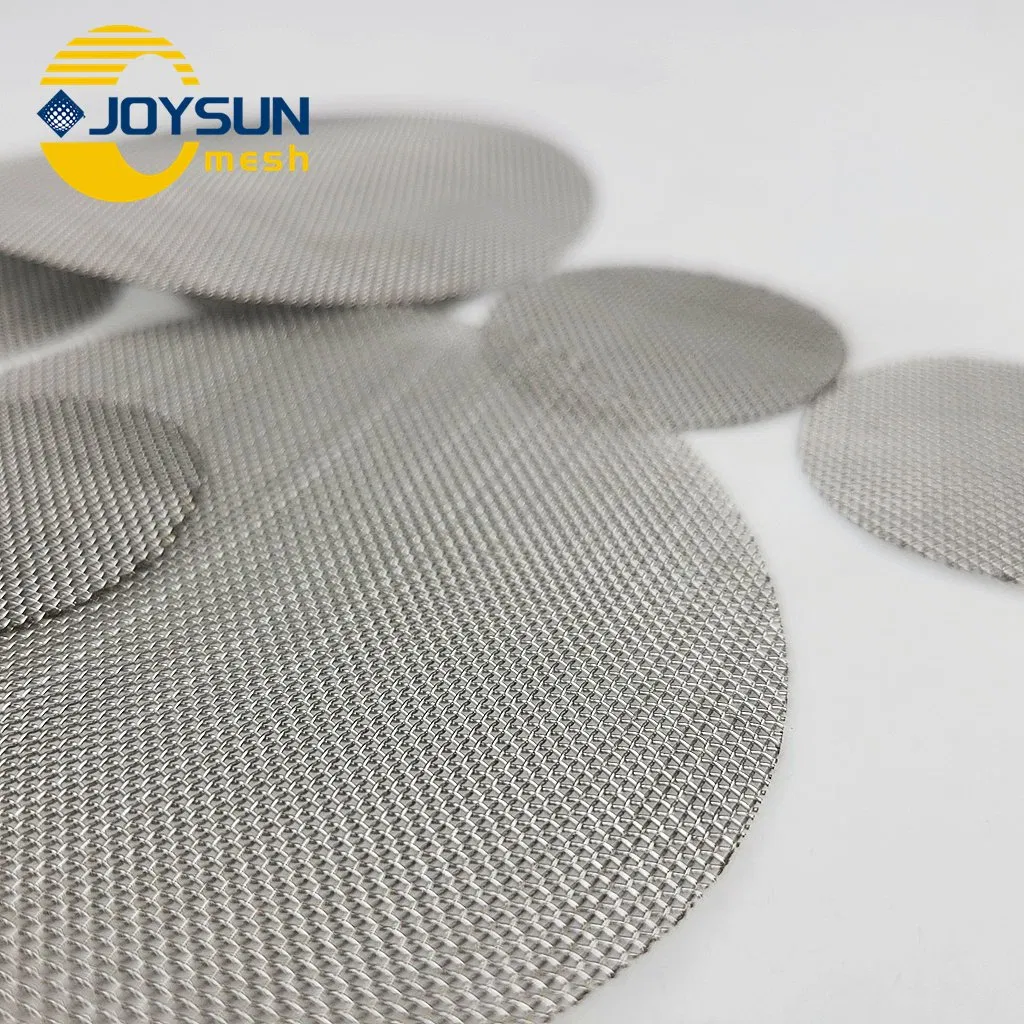
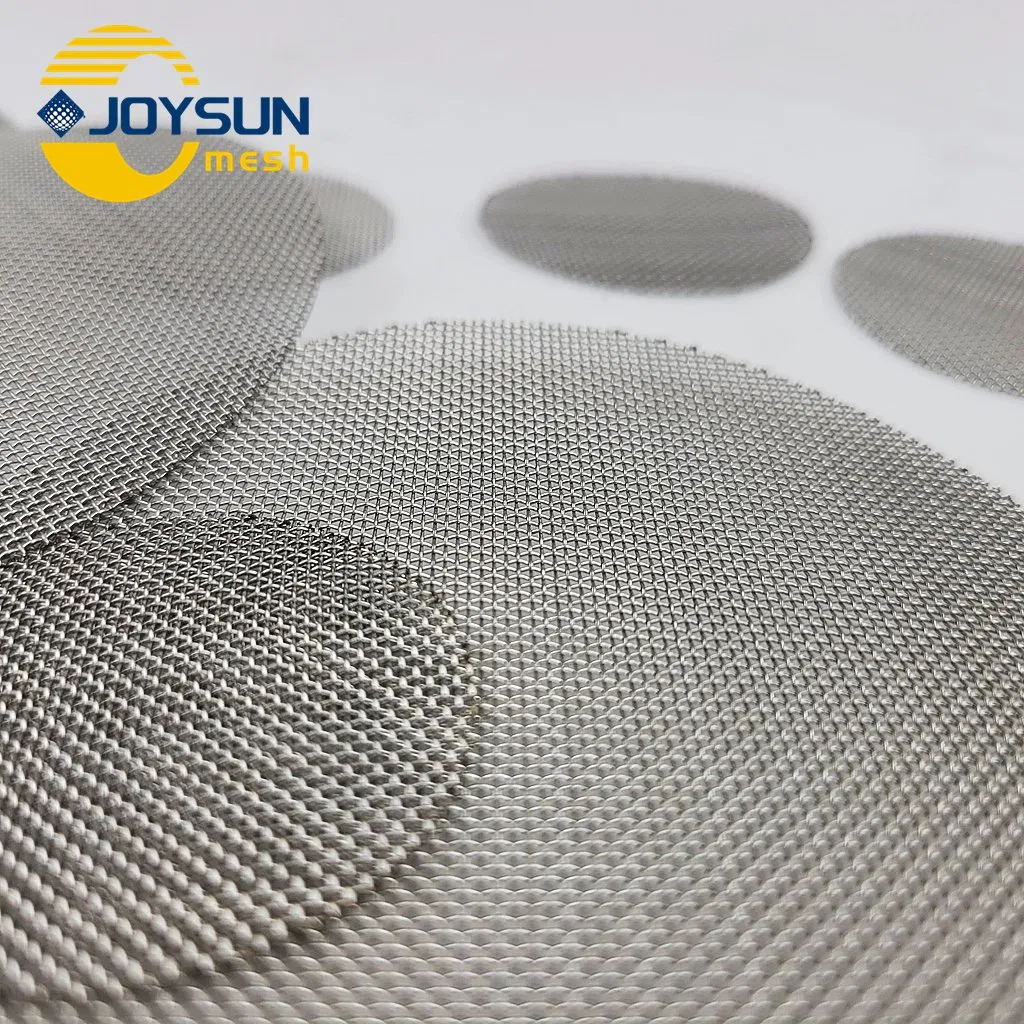
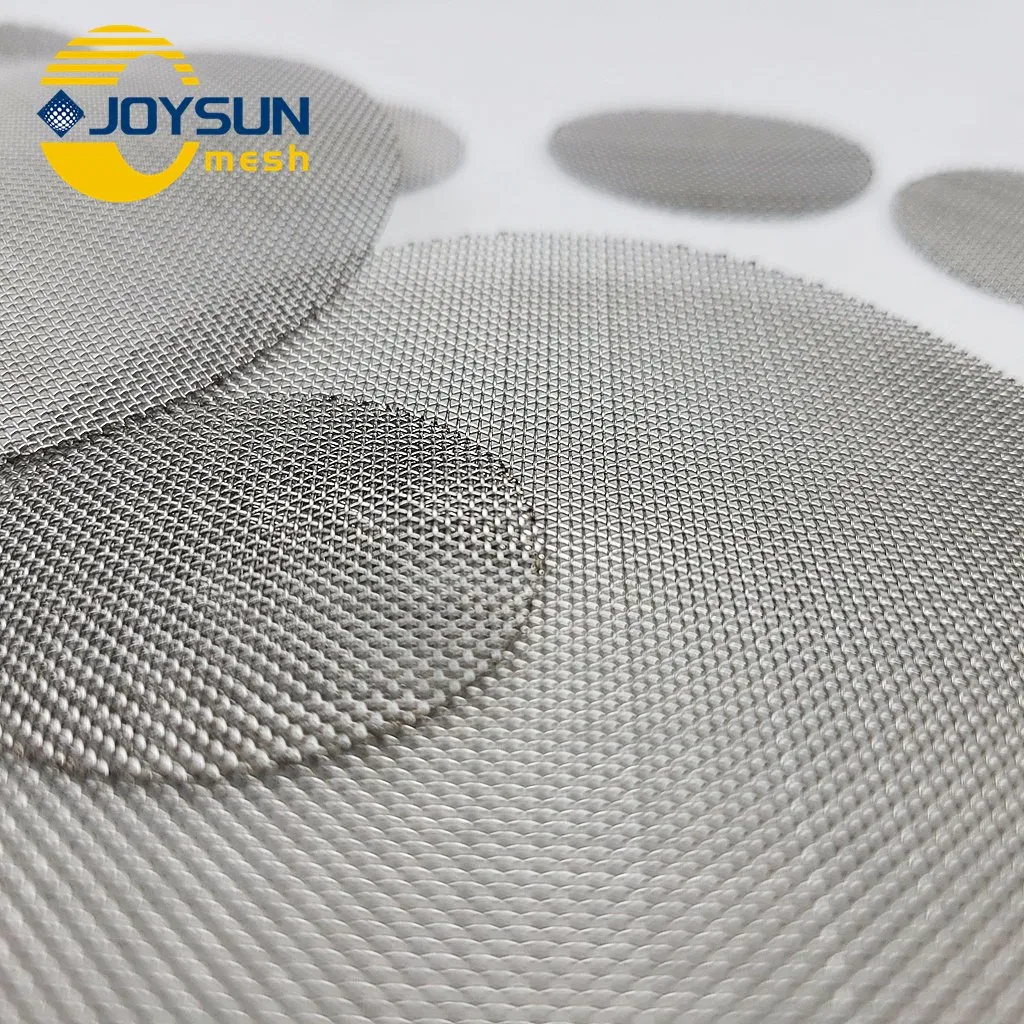
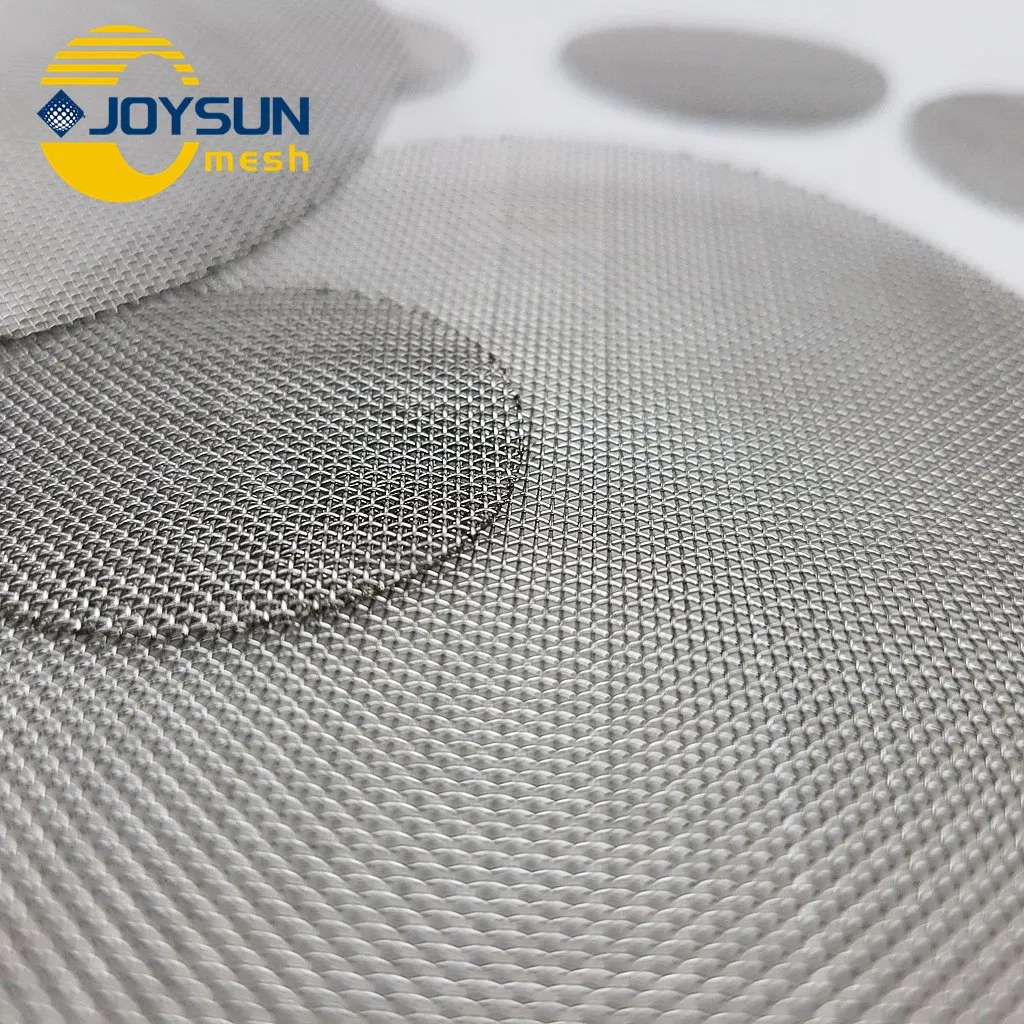
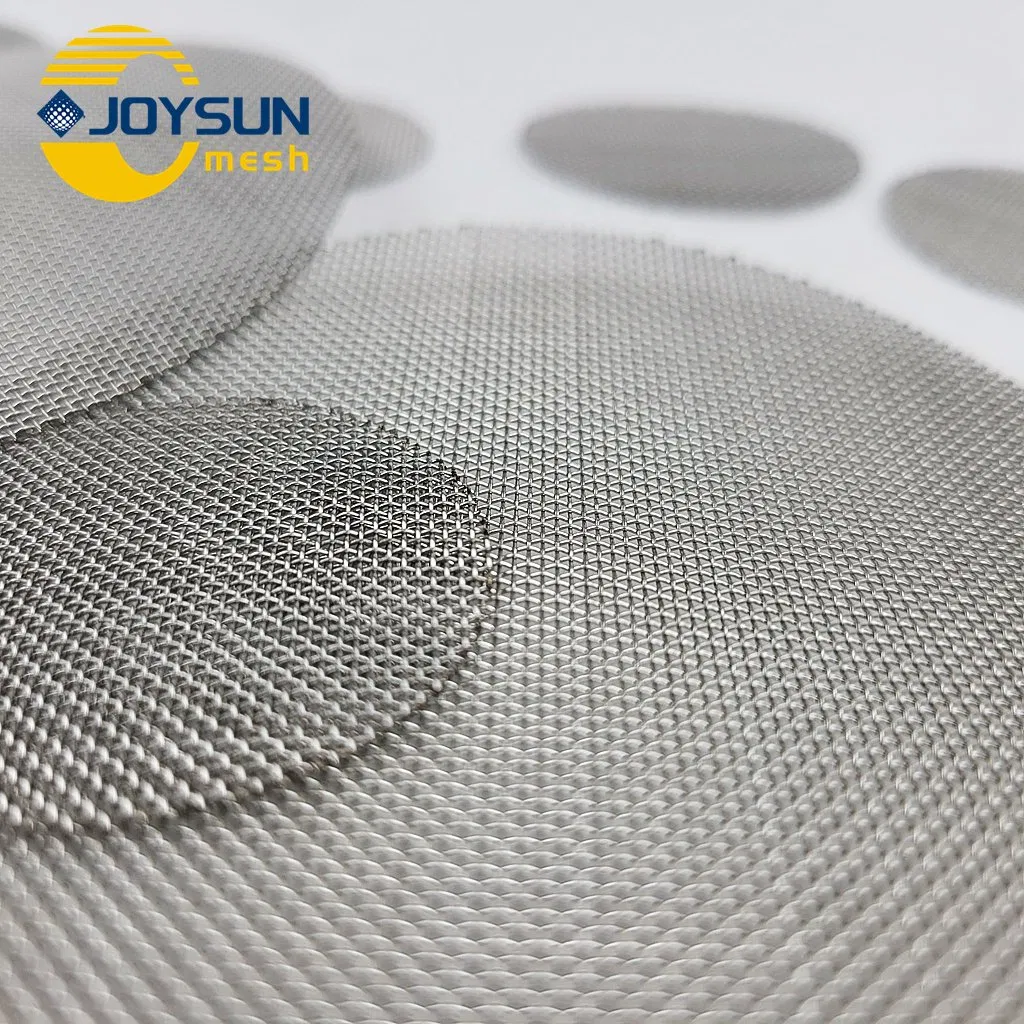
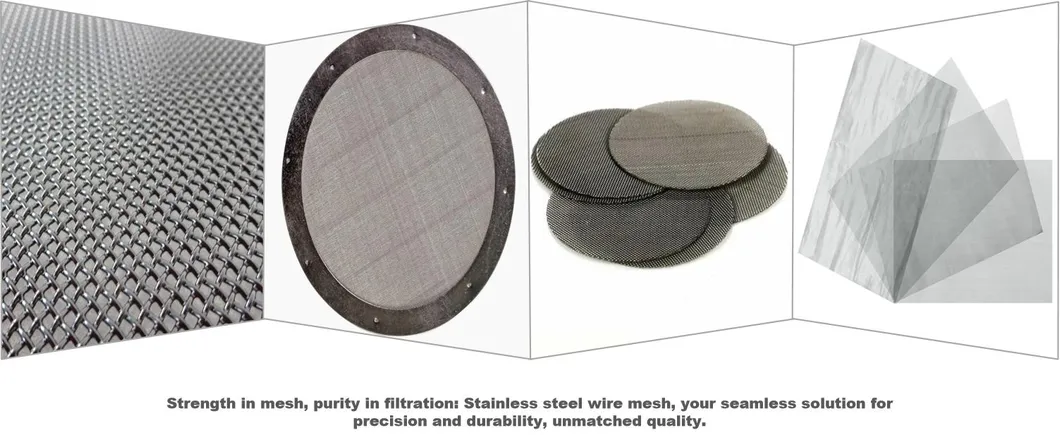
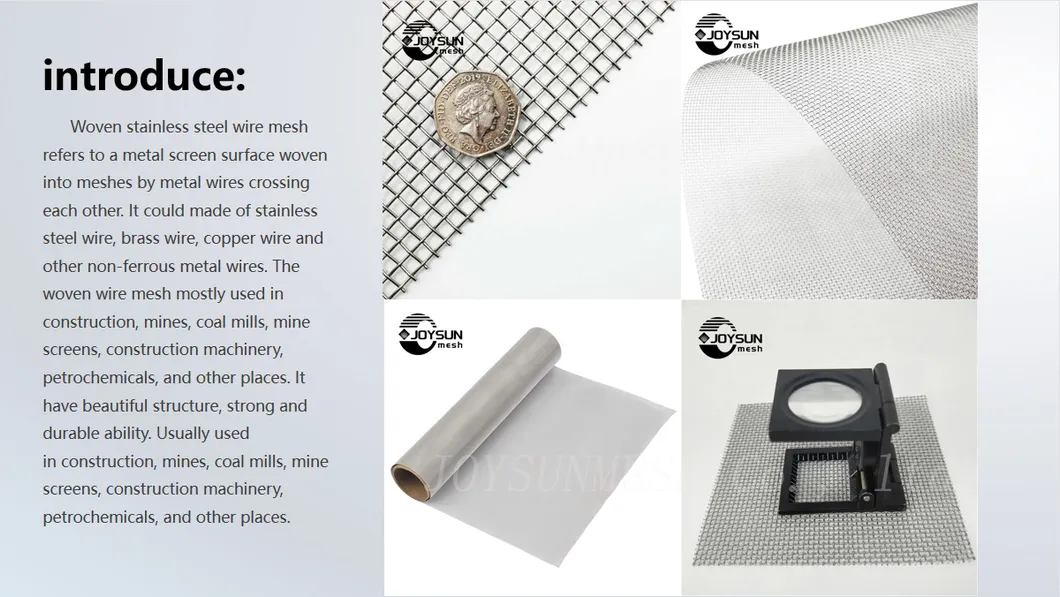
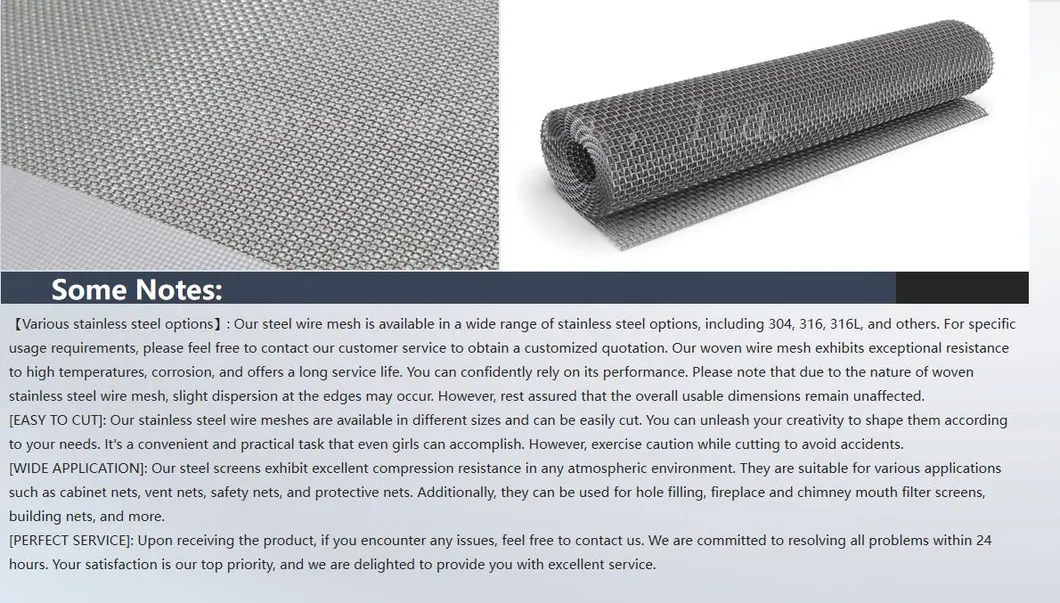
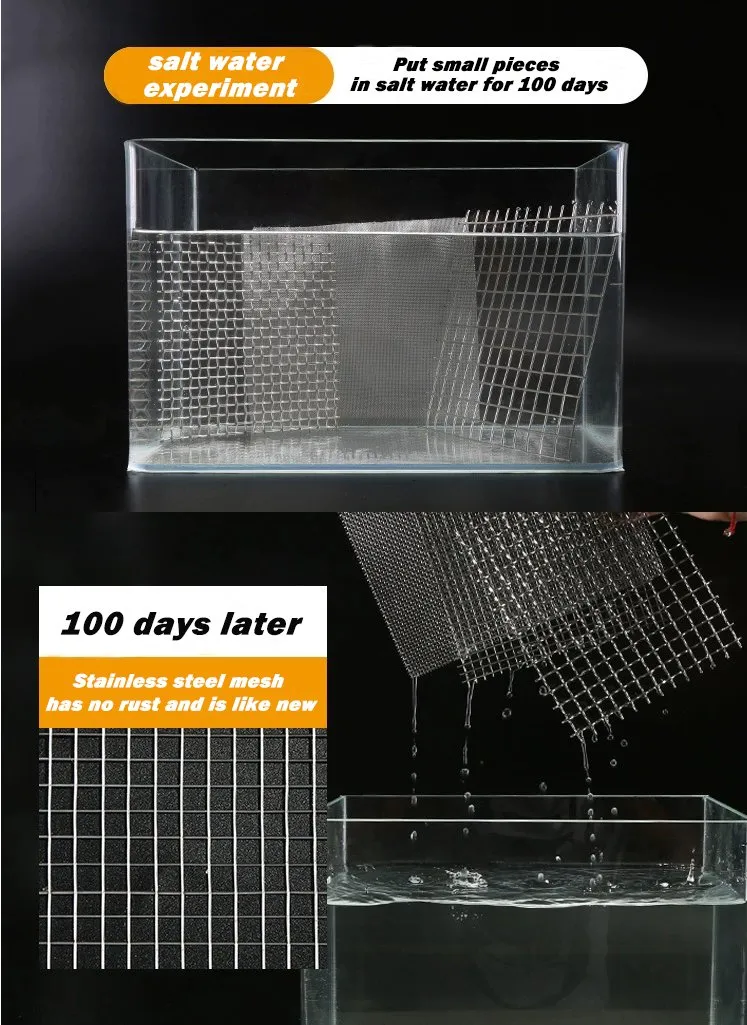
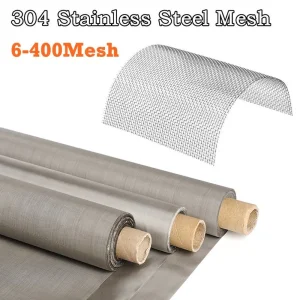
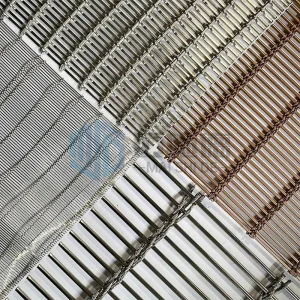
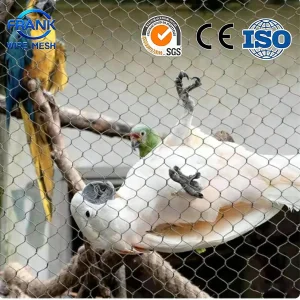
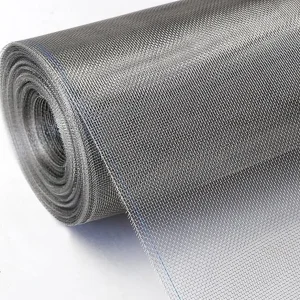
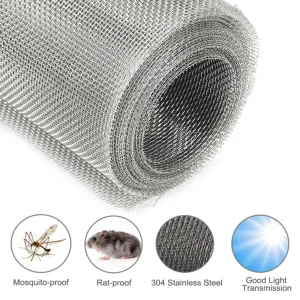
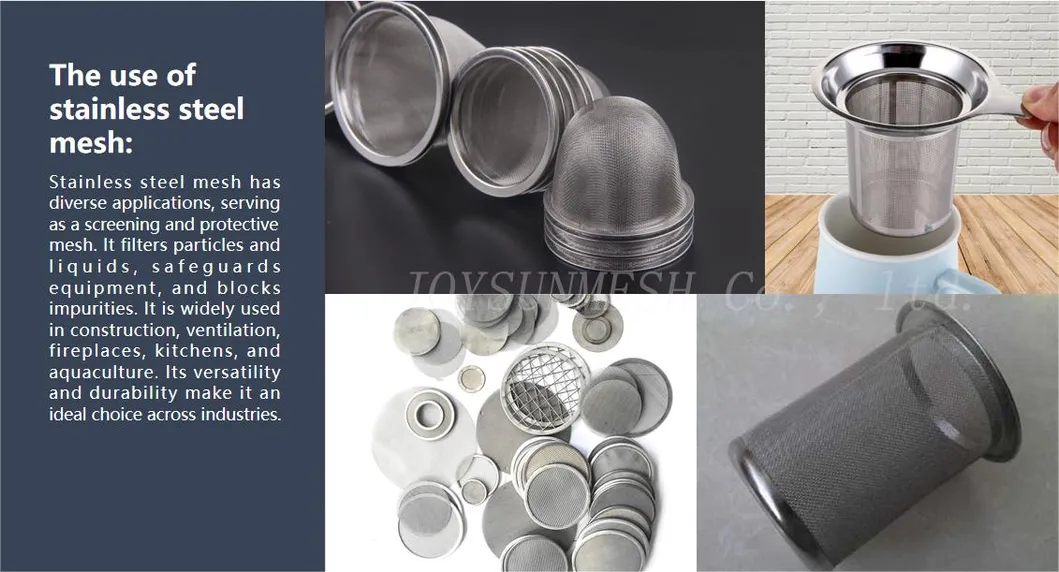
T-304 stainless steel is the standard of the industry. It exhibits excellent corrosion resistance in a wide range of environments. T-304 and T-316 are widely used across various sectors including filtration, construction, and protection.

Raw Material Performance
T-304 stainless steel is known for its superior heat resistance, manufacturing versatility, and cost-effectiveness. In the annealed condition, T-304 stainless steel is non-magnetic, making it ideal for precision manufacturing.
Frequently Asked Questions
What are the primary differences between T-304 and T-316 stainless steel mesh?
While both offer excellent corrosion resistance, T-316 contains molybdenum, which provides superior resistance to chlorides and marine environments compared to T-304.
Which weave type is best for fine filtration?
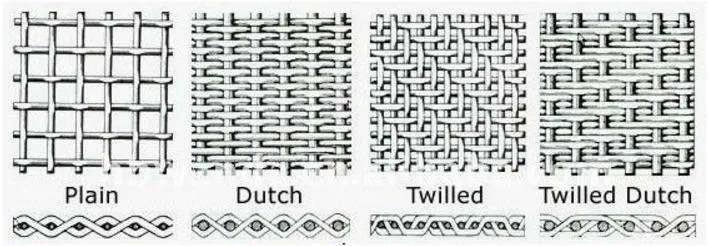
Dutch weaves (Plain Dutch and Twill Dutch) are generally preferred for fine filtration as they allow for smaller openings and higher strength than standard plain weaves.
Is the stainless steel wire mesh magnetic?
In its annealed state, T-304 stainless steel is non-magnetic. However, it may become slightly magnetic after cold working or weaving.
Can this mesh withstand high-temperature applications?
Yes, T-304 and T-316 stainless steel meshes have superior heat resistance, allowing them to maintain structural integrity in high-temperature industrial environments.
What does "Mesh Count" represent?
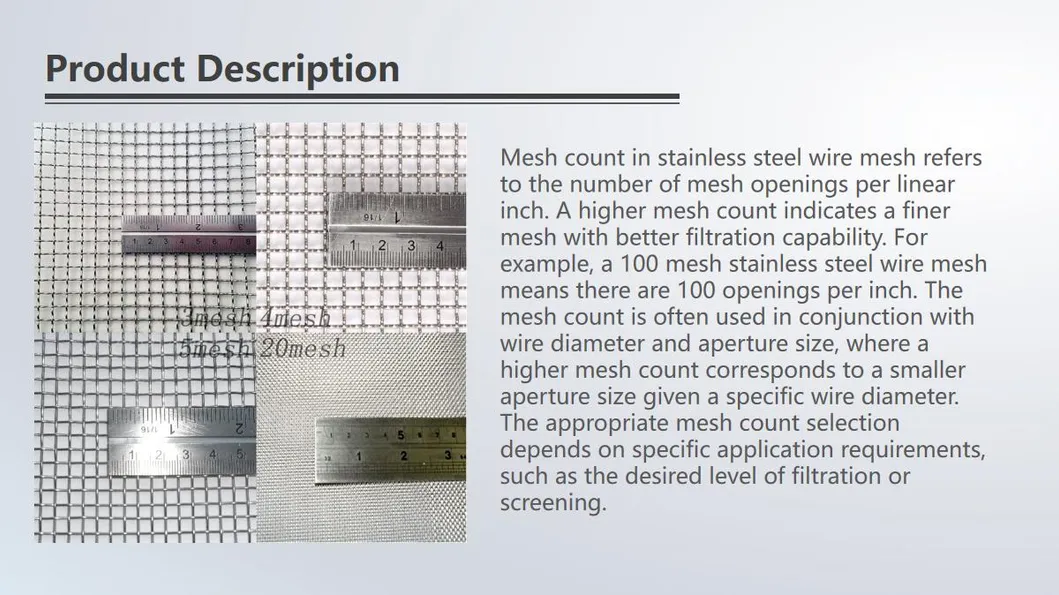
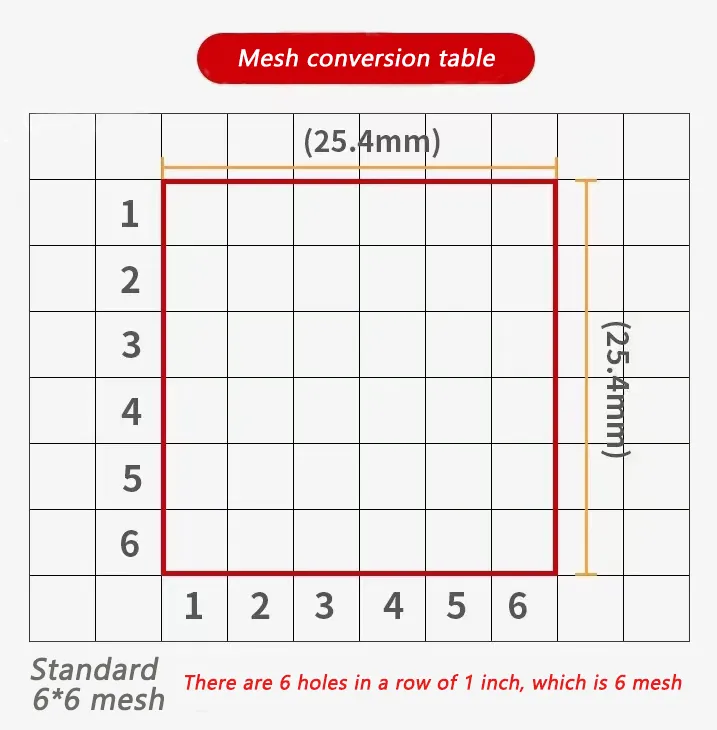
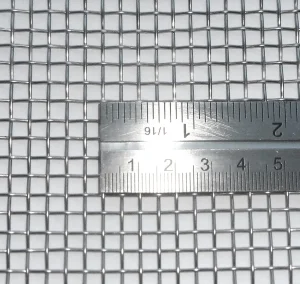
Mesh count refers to the number of openings per linear inch. For example, a 100-mesh screen has 100 openings per inch in both directions.
How is the product packaged for long-distance transport?
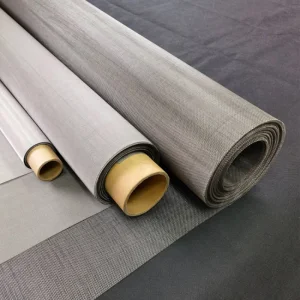
The wire mesh is typically rolled and secured in durable wooden boxes to prevent deformation and ensure protection during international shipping.
 Reivanta Mesh